A Vancouver senior who donated her $1.6 million home to a charitable organization later attempted to take the property back, sparking a legal battle. The case, which has drawn significant attention, underscores the complexities and legal implications surrounding large charitable gifts.
The Donation
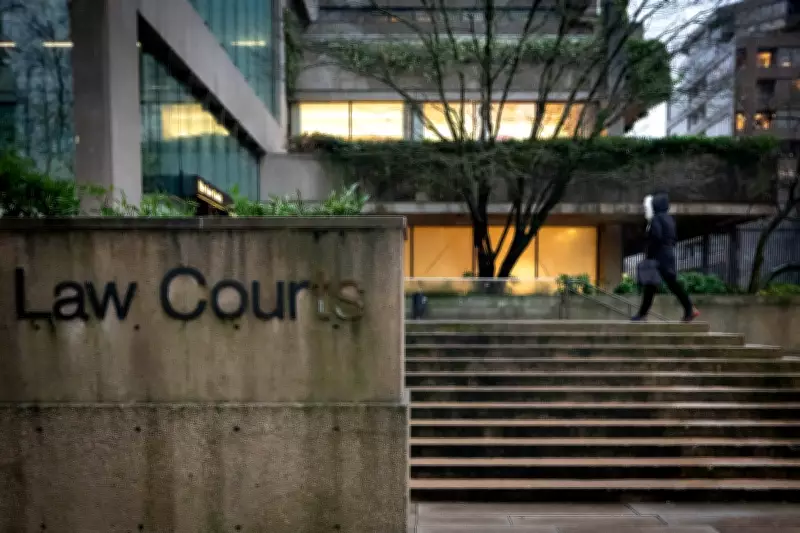
The woman, whose identity has not been disclosed, signed over her home to a charity, intending to support its mission. However, she later changed her mind and sought to reverse the transaction. The charity refused, leading to a court case in British Columbia Supreme Court.
Legal Arguments
The senior argued that she did not fully understand the implications of the donation and that it was made under duress. The charity countered that the donation was voluntary and legally binding. The court is now tasked with determining the validity of the gift.

Legal experts note that once a donation is completed, it is often irrevocable unless there is evidence of fraud, undue influence, or lack of capacity. In this case, the senior's mental state at the time of the donation may be a key factor.
Broader Implications
This case serves as a cautionary tale for both donors and charities. Donors should seek independent legal advice before making significant gifts, and charities must ensure that donors are fully informed and acting voluntarily.
The outcome could set a precedent for similar disputes in Canada, where charitable donations are a common part of estate planning and philanthropy.