Just weeks into the Iran war, the United Arab Emirates began covertly shipping crude through the Strait of Hormuz, using tactics typical of sanctioned nations: ships traveling dark without transponders, often at night, and transferring cargo to other tankers outside the waterway. The operation proved so successful that the UAE nearly matched its pre-war flow rates by the time the US and Iran signed an interim peace deal.
Sinokor's Strategic Role
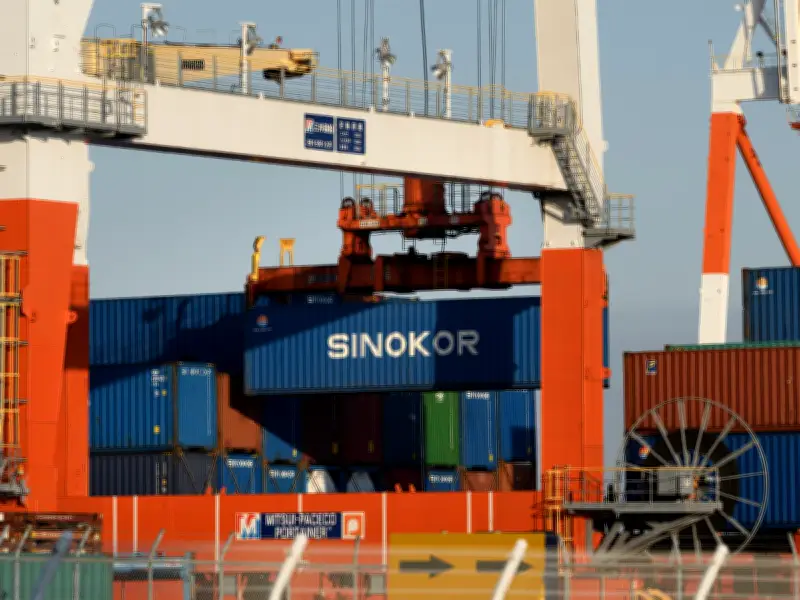
To execute this risky shuttle service, Abu Dhabi National Oil Co. (Adnoc) turned to Ga-Hyun Chung, the intensely private Korean shipping tycoon behind Sinokor Group. Sinokor had already made waves earlier in 2026 with an unprecedented buying spree of supertankers, positioning itself to profit from the oil trade turmoil caused by the war. According to Bloomberg, tanker rates surged, making Chung one of the big winners.
Sinokor began leasing ships to Adnoc for shuttle runs from at least mid-April. By June, nearly half of all Emirati crude shipments were carried on Sinokor-controlled vessels, according to ship tracking data from analytics firm Vortexa. In the last week alone, Sinokor sent at least 20 supertankers into the Gulf, enough to transport 40 million barrels of crude.

Covert Operations and Profit Margins
The UAE’s tactics mirrored those of sanctioned countries like Iran, Russia, and Venezuela. Ships would go dark—turning off their Automatic Identification System (AIS) transponders—and often sail at night to avoid detection. They would then offload their cargo onto other tankers waiting outside the strait before returning for more. This method allowed the UAE to ramp up exports far faster than its Gulf neighbors, taking advantage of surging oil prices earlier in the war and alleviating the impact of the strait's partial closure on global supplies.
The profit opportunity for Sinokor has been immense. Oil tanker markets are experiencing one of the most lucrative years ever, with shipbrokers suggesting that the premium for sailing into the Gulf during the war yielded three to four times the prewar rate. Sinokor’s active touting of its services to shipbrokers has helped it secure barrels from elsewhere in the Gulf as well.
Industry Response and Secrecy
Sinokor did not respond to requests for comment. Adnoc L&S, the shipping and logistics arm of Adnoc, stated it does not comment on vessel positions, movements, or routing, but noted it has “an extensive fleet including owned and chartered vessels.” While Adnoc also used its own tankers and ships from other owners, the Sinokor deals were crucial to the UAE’s success.
Since the interim peace agreement, tankers have been traveling more openly through the strait with transponders on. This story is based on vessel tracking data from Bloomberg, Vortexa, and Kpler, as well as conversations with over a dozen shipbrokers, traders, and industry insiders. The scale of Sinokor’s role in leasing ships for dark transits has not previously been reported.