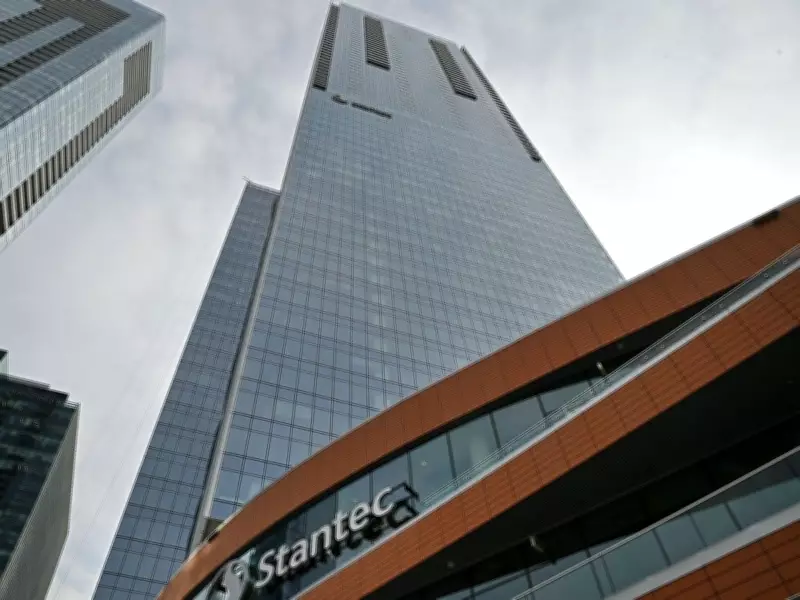
Edmonton-based engineering and professional services giant Stantec Inc. has officially terminated its involvement in contracts with U.S. Immigration and Customs Enforcement (ICE) following significant public backlash and pressure from Indigenous communities. The decision marks a notable shift in corporate policy for the Alberta company, which had partnered with a business owned by Wisconsin's Oneida Nation through a joint venture called Oneida-Stantec JV, LLC.
Contract Details and Immediate Fallout
The joint venture had secured two contracts to provide quality assurance and assessment services for ICE facilities located in Texas and Wisconsin. These agreements represented a standard business arrangement for both Stantec and the Oneida Nation's engineering division, which regularly conducts inspection services for various federal contractors across the United States.
However, when the Oneida Nation's business council discovered that one of their community enterprises had entered into agreements with ICE, they took swift action. The council passed a formal resolution that explicitly requires all tribal divisions, entities, and corporations to disengage from any grants, agreements, or contracts involving Immigration and Customs Enforcement.

Corporate Response and Confirmation
Stantec spokesperson Danny Craig confirmed the company's withdrawal, stating unequivocally that "Stantec has no active contracts with ICE." This announcement came after weeks of mounting criticism directed at the agency's immigration enforcement practices, which have drawn condemnation throughout much of the Western world.
The controversy has prompted consumers and advocacy groups to scrutinize businesses that maintain relationships with the federal agency, creating a ripple effect that extends beyond U.S. borders into Canadian corporate circles.
Broader Canadian Context
Stantec is not the first major Canadian corporation to face public pressure regarding connections with ICE. The Jim Pattison Group, headquartered in Vancouver, previously encountered significant backlash over the proposed sale of a warehouse that would have been converted into an ICE detention center. That deal was ultimately cancelled following public outcry.
Similarly, Toronto-based Thomson Reuters Corp. faced scrutiny for providing ICE with access to a database containing billions of vehicle license plate scans collected by the media and information company. The agency's presence in Canada has also raised concerns, with ICE maintaining offices in five Canadian cities including Calgary, leaving some residents uneasy about the organization's activities within their communities.
Leadership Changes and Apologies
The controversy prompted significant leadership changes within the Oneida Nation's business operations. Jeff House, who served as chief executive of the Oneida Nation business when it accepted the ICE contracts, issued a formal apology before stepping down from his position.
In a statement dated December 31, House explained that "our goal was to ensure that any facilities constructed would meet rigorous safety standards, be humanely habitable, respectful and comply with public health requirements." However, he acknowledged that "after further discussions and gaining a deeper understanding of the broader implications, I recognize that this decision was wrong. I sincerely apologize for placing the (Oneida) Nation in this position."
The organization took immediate steps to sever the contract, and within days implemented more substantial changes. The entire board of the Oneida company overseeing the joint venture was removed and replaced with an interim manager. This temporary leadership has since been succeeded by Matt Kunstman, who now serves as interim president and CEO.
Industry Implications and Ethical Considerations
This incident highlights growing tensions between corporate business interests and ethical considerations, particularly when working with government agencies facing public criticism. Engineering and professional services firms like Stantec must increasingly navigate complex social and political landscapes when selecting clients and projects.

The situation also underscores the unique position of Indigenous-owned businesses operating within corporate partnerships, where community values and business objectives must align. The Oneida Nation's swift action to disengage from ICE contracts demonstrates how Indigenous governance structures can influence corporate decision-making processes.
As public awareness of corporate relationships with controversial agencies grows, companies across North America may face increased pressure to evaluate their client portfolios through both ethical and public relations lenses. The Stantec-ICE contract termination serves as a case study in how public backlash can rapidly reshape business relationships and corporate policies.