

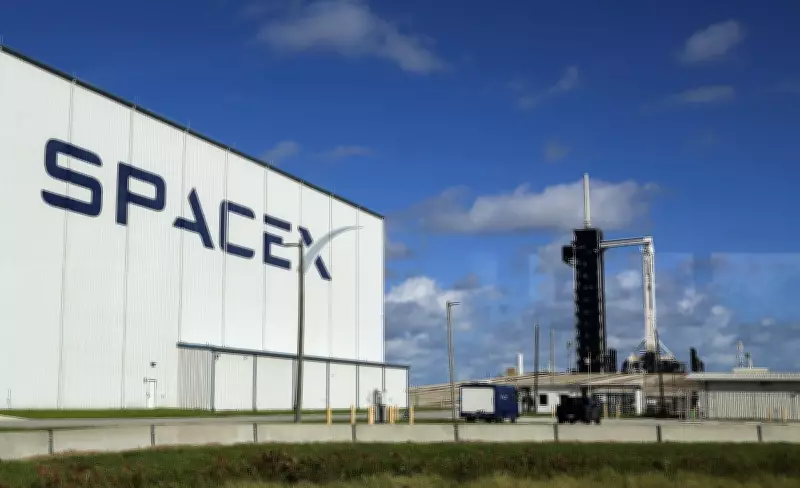
SpaceX's Impending Stock Market Debut Risks Starving Fragile IPO Landscape
The financial world is bracing for a seismic shift as SpaceX, the pioneering aerospace manufacturer and space transportation company, edges closer to a potential blockbuster initial public offering (IPO). Industry analysts warn that such a high-profile listing could suck the oxygen out of an already fragile IPO market, diverting vast amounts of investor capital and attention away from smaller or less glamorous companies seeking to go public.
A Market on Thin Ice
Current market conditions have been characterized by volatility and cautious investor sentiment, making it a challenging environment for new listings. The fragility stems from economic uncertainties, fluctuating interest rates, and geopolitical tensions that have dampened enthusiasm for riskier assets. In this context, the arrival of a behemoth like SpaceX could exacerbate existing strains.
Experts note that institutional and retail investors alike are likely to reallocate funds to secure a piece of SpaceX, given its high growth potential and disruptive innovations in space technology. This capital shift could leave other IPOs struggling to gain traction, potentially delaying or derailing their market debuts.

The Ripple Effects on Competitors and Sectors
The impact may extend beyond just the IPO arena. Established companies in the aerospace, technology, and even renewable energy sectors might face increased competition for investment dollars. As SpaceX captures headlines and portfolio allocations, other firms could see their stock valuations pressured or find it harder to raise capital through secondary offerings.
Moreover, the market's focus on a single high-stakes listing could overshadow broader economic indicators and corporate performances, creating a distorted investment landscape. This scenario raises concerns about market diversity and the ability of smaller innovators to access public markets.
Historical Precedents and Future Outlook
Past mega-IPOs, such as those of tech giants, have sometimes led to similar "crowding out" effects, where surrounding market activity dwindles temporarily. However, SpaceX's unique position—bridging aerospace, transportation, and technology—makes its potential listing particularly impactful.
Looking ahead, market regulators and participants are closely monitoring developments. While a SpaceX IPO could inject excitement and liquidity into the market, the key challenge will be balancing this with the need for a healthy, diversified IPO ecosystem. Strategies to mitigate negative spillovers might include staggered listing schedules or enhanced support for other issuers.
In conclusion, as SpaceX prepares for a possible public offering, the financial community must navigate the delicate interplay between welcoming a landmark listing and preserving the vitality of the broader IPO market. The outcome could set a precedent for how markets absorb high-profile entrants in an era of economic sensitivity.






