

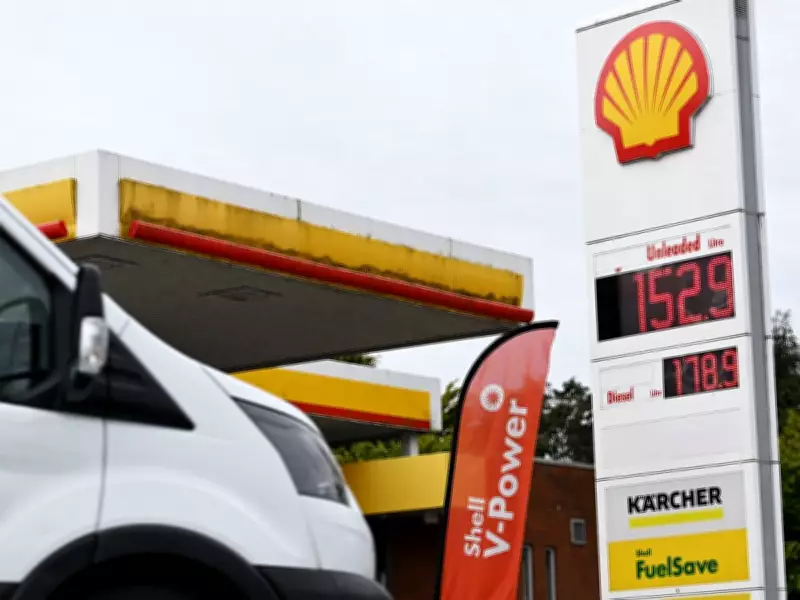
Shell Plc's extensive oil trading division delivered a substantial boost to earnings during the first quarter of 2026, capitalizing on the market turmoil triggered by the ongoing war in the Middle East. The energy giant released a trading statement on Wednesday, providing the first guidance from a major oil company since the conflict began, with full earnings scheduled for release next month.
Market Volatility Drives Trading Profits
The company confirmed that oil trading results were "significantly higher" compared to the previous quarter, highlighting how traders often thrive during periods of market instability. The war between Iran and other regional powers has created unprecedented chaos in global energy markets, sending prices for crude oil, jet fuel, and other petroleum products soaring.
Strait of Hormuz Disruption
Shipping through the crucial Strait of Hormuz chokepoint came to a near standstill as hostilities intensified, creating supply constraints that drove prices upward. Shell's in-house trading business, which deals in oil, gas, fuels, chemicals, and renewable power, managed to navigate these turbulent conditions effectively.

The London-based energy major trades both its own production and supplies from other sources, though it doesn't break out specific profit figures from its trading operations. Market analysts closely monitor this segment as it can serve as a key driver of overall corporate earnings.
Share Performance and Analyst Reactions
Despite the positive trading update, Shell's shares declined alongside energy prices and peer companies on Wednesday following news of a two-week ceasefire agreement between the United States and Iran. Crude futures plunged below US$100 per barrel, though prices remain more than 50 percent higher than at the start of the year.
Several financial institutions covering Shell, including Barclays Plc and RBC Capital Markets, noted that Wednesday's trading statement demonstrated the company's resilient operations despite challenging developments in the Middle East. Analysts pointed out that Shell maintains key interests throughout the region, though its shares have underperformed compared to industry peers this year.
Impact on Integrated Gas Operations
As anticipated, the conflict affected Shell's integrated gas production due to halted operations in Qatar. However, the ramp-up of the company's LNG Canada project helped maintain stable liquefied natural gas volumes. The midpoint of Shell's guidance for LNG liquefaction volumes in the quarter stood at 7.8 million tonnes, consistent with the previous period.
LNG trading remained flat, with Shell noting that long-term LNG contracts typically feature pricing lags that buffer immediate market impacts. Integrated gas production, which includes LNG and gas-to-liquids output from Qatar, fell to between 880,000 and 920,000 barrels per day, compared with 948,000 barrels daily in the fourth quarter.
Damage to Critical Infrastructure
Iran's military strikes across the Persian Gulf, triggered by U.S. and Israeli attacks in late February, caused substantial damage to refineries, oil fields, ports, and gas plants throughout the region. This included key Shell assets at the massive Ras Laffan complex in Qatar, where the company maintains significant partnerships.
Ras Laffan hosts the world's largest LNG export terminal, which previously supplied approximately one-fifth of global seaborne gas shipments before sustaining "extensive damage" during the conflict. The complex also contains the largest gas-to-liquids facility, which was struck by missiles and will require roughly one year for repairs. Shell serves as a key partner in both operations.
Shell also maintains joint ventures across the Middle East, including projects in Iraq, Oman, and the United Arab Emirates. The company had initially forecast first-quarter integrated gas production within a range of 920,000 to 980,000 barrels of oil equivalent per day, making the actual results slightly below expectations due to regional disruptions.






