

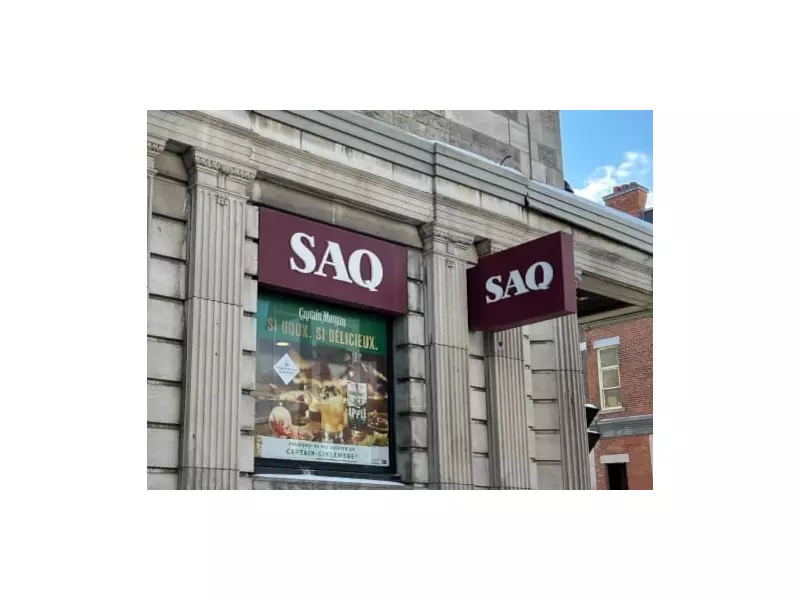
The Société des alcools du Québec (SAQ), the province's liquor retailing crown corporation, has reported its financial results for the second quarter of its fiscal year, showing a marginal decrease in profitability compared to the same period last year.
Financial Performance Details
According to the figures released on December 18, 2025, the SAQ's net income for the quarter reached $336.5 million. This represents a slight decline of 0.4 percent when measured against the corporation's performance in the second quarter of the previous fiscal year. The results were disseminated via a news release from The Canadian Press.
While the report indicates a minor dip, the figure underscores the SAQ's continued role as a significant revenue generator for the provincial government. The corporation operates a vast network of retail outlets across Quebec, including its prominent location on St. Laurent Boulevard at Avenue des Pins in Montreal.

Context and Market Position
The SAQ maintains a monopoly over the retail sale of most distilled spirits, imported beers, and wines within Quebec. Its financial results are closely watched as they directly contribute to the province's public coffers. The slight decrease in net income could be attributed to various market factors, including shifting consumer spending patterns, operational costs, or competitive pressures from other beverage sectors.
Analysts often view the SAQ's performance as a barometer for discretionary consumer spending within the province. A stable, albeit slightly lower, income figure suggests resilience in a key segment of the retail market.
Looking Ahead for the Crown Corporation
The publication of these quarterly results provides a snapshot of the state-owned enterprise's health. The minimal decline of less than half a percent is not considered a significant downturn but will likely prompt internal review to identify any underlying trends or challenges.
As a major player in Quebec's retail landscape and a steady source of government revenue, the SAQ's strategies for growth, adaptation to consumer habits, and operational efficiency will remain topics of interest for economists and policy observers in the coming months.






