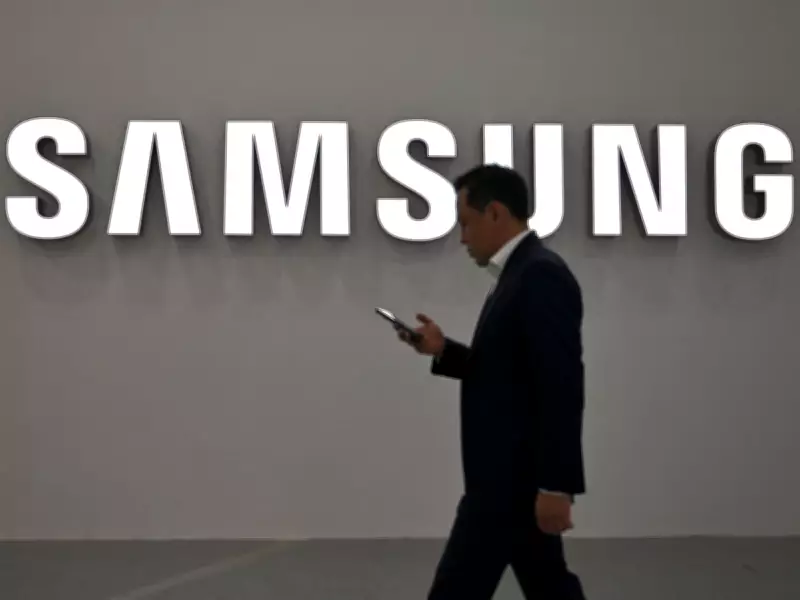
In a last-minute reversal, Samsung Electronics Co. reached a tentative deal with its labour union, averting a potentially crippling strike that had been scheduled to start Thursday at the world's largest memory chipmaker.
The South Korean company said in a statement late Wednesday that "labour and management have reached a tentative agreement on wages and the collective bargaining agreement." The company's union also released a statement confirming suspension of plans for a strike that had been planned for May 21 to June 7.
Last-Minute Negotiations
The news follows days of back-and-forth brinkmanship and high-pressure negotiations. On Wednesday morning, labour leader Choi Seung-ho said the work stoppage would go ahead on Thursday after Samsung's management rejected a proposal from government mediators that the union had accepted.

Korea's government — deeply invested in the outcome because of Samsung's importance to the country's economy — made one last appeal as Labour Minister Kim Young-hoon called the two sides together for evening talks. About 90 minutes before midnight local time, the parties reached a tentative deal.
Union Vote Scheduled
Samsung's union told members they will be able to vote on the proposed 2026 wage agreement from 9 a.m. on May 23 to 10 a.m. on May 28. They did not release details of the tentative agreement.
Global Implications
The truce averts what could have been a damaging strike for Samsung and the tech industry. The Korean giant is the world's biggest supplier of the memory chips that go into everything from smartphones and electric vehicles to the AI data centre servers that power services like ChatGPT and Claude. Shortages in the memory chip sector have already driven prices sharply higher in recent months, and disruptions at Samsung could have exacerbated the squeeze.
The strains between management and labour showcased simmering tensions across the country as workers push for a greater share of the profits that companies like Samsung and SK Hynix Inc. are deriving from a global AI infrastructure boom.
Wage and Bonus Disputes
The union had earlier demanded that Samsung scrap an existing bonus cap, allocate 15 per cent of its operating profit to worker bonuses and formalize those terms in employment contracts. Labour leaders pointed to SK Hynix, which last year agreed to allocate 10 per cent of annual operating profit to a performance bonus pool.
Samsung had proposed allocating 10 per cent of operating profit to bonuses, along with a one-time special compensation package that exceeds industry standards. Company executives argued that the union's demands would be difficult to sustain over the long term.
Industry Concerns
“There are mounting concerns that any significant production disruptions or operational uncertainty at Samsung Electronics could place additional strain on the global memory semiconductor market, potentially worsening supply bottlenecks, price volatility, procurement uncertainty and broader supply chain instability,” the American Chamber of Commerce in Korea said in a statement this month.
—With assistance from Daedo Kim, Eunkyung Seo and Christopher Anstey.