

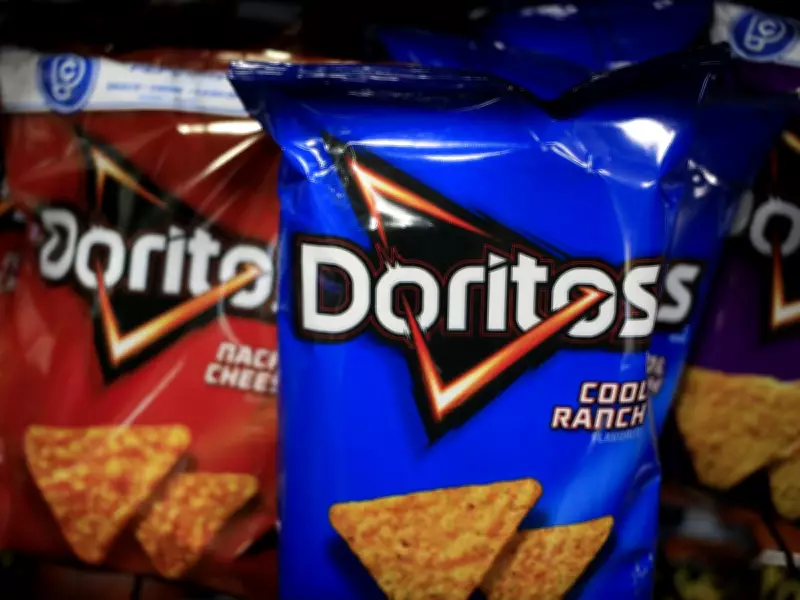
PepsiCo's High-Priced Snack Strategy Leads to Billion-Dollar Revenue Losses
For over a year, Walmart Inc. had been warning PepsiCo Inc. that prices for its popular snack brands like Doritos, Lay's, and Cheetos had climbed too high. By 2023, sales at Frito-Lay, PepsiCo's snack division, began to plummet as some chip bags reached prices exceeding US$7. According to consumer spending data from Attain, Doritos prices at Walmart had surged nearly 50 percent since 2021.
Retailer Pressure and Internal Concerns
Meetings with major retailers became increasingly tense as Walmart and others demanded immediate action on affordability concerns. Walmart responded by reducing Frito-Lay's shelf space, allocating more room to its own private-label brands and competitors such as Takis. Despite this clear market signal, PepsiCo executives hesitated to implement price reductions.
Internal debates about pricing strategy had been ongoing since at least 2024 when Frito-Lay's revenues first turned negative. According to sources familiar with internal discussions, company leaders were reluctant to authorize price cuts that might cause short-term revenue declines. Instead, PepsiCo experimented with various alternative strategies:

- Increased promotional activities
- Product shrinkflation (reducing package sizes while maintaining prices)
- Other customer retention tactics
None of these measures proved effective in reversing the sales decline.
The Billion-Dollar Consequences
The delay in addressing pricing concerns proved costly. Frito-Lay missed internal revenue targets for two consecutive years by over one billion dollars each year, ending a remarkable 53-quarter revenue growth streak that had lasted more than 13 years. Market share steadily eroded as consumers turned to more affordable private-label alternatives.
Finally, in February 2026, PepsiCo announced it would reduce prices by up to 15 percent on select salty snacks. The decision came after Rachel Ferdinando, who assumed leadership of PepsiCo's U.S. foods division in early 2025, conducted a comprehensive business review that clearly indicated price reductions were necessary.
New Challenges Emerge
Even as PepsiCo implements its price reduction strategy, new obstacles threaten to diminish its effectiveness. The conflict in Iran has driven oil prices significantly higher, placing additional economic pressure on consumers who may not respond to modest price reductions of less than one dollar per snack bag.
According to Nik Modi, co-head of global consumer and retail research at RBC Capital Markets, the planned price cuts "were probably enough" to attract customers and boost revenues before the geopolitical tensions escalated. "But now what?" Modi questioned, highlighting the uncertain market conditions.
Higher costs for food ingredients and packaging materials, potentially exacerbated by prolonged conflict, could further squeeze PepsiCo's profit margins even as the company attempts to regain market share through lower prices.
Competitive Landscape and Recovery Efforts
PepsiCo found itself lagging behind competitors who had already begun adjusting their pricing strategies. Other major packaged food companies, including Conagra Brands Inc. and General Mills Inc., had implemented price reductions in response to changing consumer behavior and economic pressures.
By agreeing to lower prices, PepsiCo secured significant concessions from major retailers. The company obtained, on average, a double-digit increase in shelf space at key partners including Walmart, Costco, and Target. These changes are expected to be fully implemented by the end of April 2026.
PepsiCo CEO Ramon Laguarta stated at a February conference that the company would know by summer 2026 whether the price reductions were "enough." Preliminary tests in select cities during 2025 generated what Laguarta described as a "pretty good" boost in sales volume during a separate investor call.
The company will closely monitor sales performance and competitive positioning, though specific targets have not been publicly disclosed. A PepsiCo spokesperson declined to comment on the situation, leaving investors and analysts to watch for quarterly results that will reveal whether the price correction strategy can reverse the billion-dollar revenue losses.






