

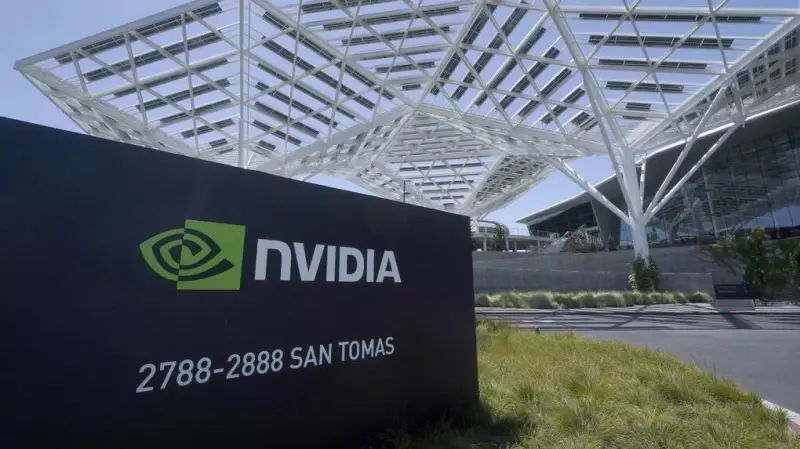
In a move that signals a significant shift in the semiconductor industry, graphics and AI chip giant Nvidia has acquired a substantial stake in rival Intel. The investment, valued at a staggering US$5 billion, was finalized under an agreement reached in September 2025.
A Strategic Semiconductor Alliance
The deal, confirmed on December 29, 2025, represents one of the most notable cross-investments between two of the world's leading chip designers and manufacturers. While the companies have historically been competitors in certain segments, this financial partnership suggests a strategic alignment of interests. The agreement underscores the increasingly complex and capital-intensive nature of the global semiconductor market, where collaboration can be as crucial as competition.
Nvidia, headquartered in Santa Clara, California, has seen its valuation soar in recent years, driven by dominance in artificial intelligence and data center chips. Intel, the longstanding leader in computer processors, has been executing a multi-year turnaround plan to regain its manufacturing edge and expand its foundry business. This $5 billion investment provides Intel with a significant capital infusion and a powerful, technologically advanced ally.

Details and Industry Context
The stake was acquired based on a formal agreement signed in September 2025. While the exact percentage of Intel ownership this represents was not immediately disclosed, a multi-billion dollar investment of this scale is certain to give Nvidia a notable voice as a shareholder. The news broke during a period of typically quiet holiday trading, yet it stands to reverberate through the technology and investment sectors as the new year begins.
This development occurs against a backdrop of intense global competition in chip manufacturing, particularly between the United States and China. Governments worldwide are pouring subsidies into domestic semiconductor production to secure supply chains. A strategic partnership between two American titans like Nvidia and Intel could be viewed as strengthening the U.S. position in this critical technological arena.
Implications for the Tech Landscape
The implications of this deal are multifaceted. For Intel, the capital and potential for deeper technical collaboration could accelerate its manufacturing roadmap and competitive positioning. For Nvidia, the investment secures a strategic foothold in a key manufacturing partner and potential ally, diversifying its influence beyond its core design strengths.
Analysts will be watching closely to see if this financial stake evolves into broader collaboration on technology development, supply agreements, or joint ventures. The move may also prompt regulatory scrutiny to ensure it complies with antitrust regulations, given the size and market power of both corporations.
Ultimately, the Nvidia-Intel $5 billion deal marks a pivotal moment in 2025, highlighting how the lines between competition and cooperation are blurring in the high-stakes world of advanced semiconductors. The partnership has the potential to reshape supply dynamics and innovation trajectories for years to come.






