

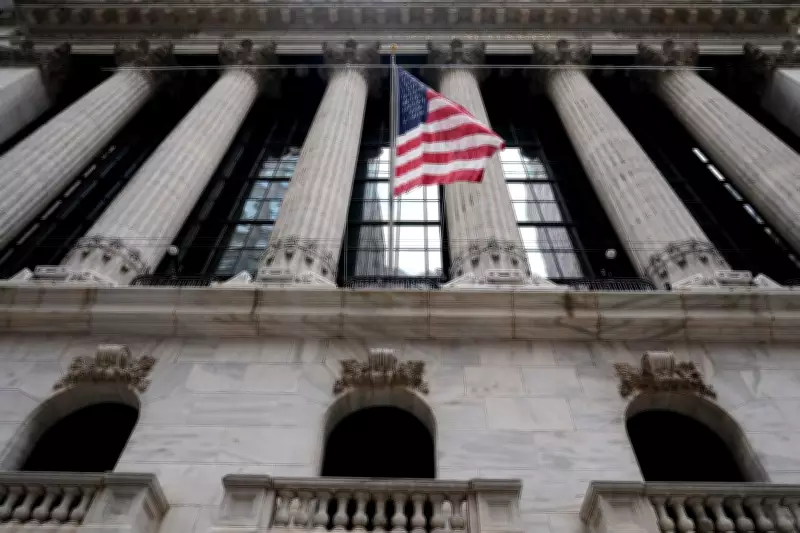
Wall Street and Global Markets Experience Major Rally Following U.S.-Iran Ceasefire
Financial markets around the world surged on Tuesday, April 8, 2026, after a ceasefire agreement between the United States and Iran sent oil prices tumbling below the critical threshold of US$100 per barrel. The New York Stock Exchange led the charge, with major indices posting substantial gains as investor sentiment shifted dramatically.
Ceasefire Agreement Triggers Sharp Decline in Oil Prices
The announcement of a two-week ceasefire between Washington and Tehran effectively de-escalated tensions in the Middle East, a region crucial to global oil supply. This diplomatic breakthrough caused benchmark crude oil prices to drop significantly, falling below US$100 for the first time in weeks. The immediate reduction in energy costs alleviated widespread fears about persistent inflation and its dampening effect on economic growth.
Broad-Based Market Optimism and Sector Performance
The rally was not confined to Wall Street; stock exchanges across Europe and Asia also recorded strong advances. The transportation and manufacturing sectors, which are highly sensitive to fuel expenses, were among the biggest beneficiaries. Analysts noted that lower oil prices typically reduce operational costs for countless businesses, boosting corporate profit margins and consumer spending power.

Concurrently, the banking and finance sector saw increased activity, with investors moving capital into equities amid a more favorable risk environment. The ceasefire news overshadowed other market concerns, at least temporarily, creating a wave of bullish trading.
Economic Implications and Future Market Outlook
Economists suggest that sustained lower oil prices could help central banks in their ongoing efforts to control inflation without triggering a recession. However, market observers caution that the ceasefire is initially set for only two weeks, introducing a degree of uncertainty. The durability of the peace agreement and its impact on long-term oil supply stability will be critical factors influencing market trends in the coming days.
In related business news, shipping companies are actively seeking clarity on the reopening of the Strait of Hormuz, a vital maritime chokepoint for oil shipments, following the ceasefire deal. The resolution of geopolitical risks in the region is seen as a positive development for global trade logistics and energy security.
While the market celebration is pronounced, experts advise monitoring diplomatic developments closely, as any breakdown in the ceasefire could swiftly reverse the gains. For now, investors are embracing the relief provided by receding oil prices and reduced geopolitical friction.






