

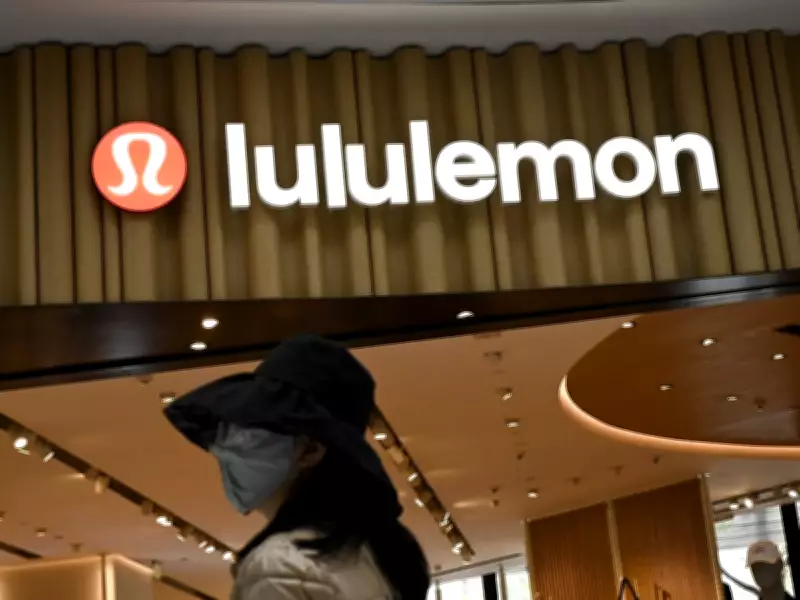
Lululemon Faces Chinese Social Media Storm Over Texas PFAS Investigation
A Texas investigation into Lululemon Athletica Inc.'s athletic wear for the presence of polyfluoroalkyl substances (PFAS), commonly called "forever chemicals," has triggered a significant wave of debate across Chinese social media platforms. This development underscores the substantial risks the premium sportswear brand faces in one of its most crucial international growth markets, even as the company maintains its products sold in China are PFAS-free.
Rapid Spread of Controversy
News of the probe, announced by Texas Attorney General Ken Paxton's office, spread swiftly online in China. The investigation examines whether Lululemon's clothing contains these persistent chemicals, which have been linked to environmental and health concerns. The intensity of the online discussion reflects Lululemon's prominent position within the world's second-largest economy, where it has been one of the few Western brands to maintain strong post-pandemic momentum.
On Xiaohongshu, a platform immensely popular with young, urban Chinese consumers similar to Instagram, reactions emerged quickly and were sharply divided. Some users expressed serious concerns about product safety and Lululemon's quality control measures, questioning whether they should continue supporting the brand. This criticism surfaced alongside more lighthearted commentary and even opportunistic speculation.

Polarized Consumer Reactions
Some social media participants suggested the controversy might lead to discounted prices if resellers are forced to cut costs, or potentially ease the chronic stock shortages that have plagued popular Lululemon items in China. This highlights the complex and sometimes transactional nature of consumer sentiment in the market.
Conversely, not all Chinese consumers appeared alarmed. Several users argued that PFAS chemicals are common in many everyday products and that the concern was overblown. "I'm still alive and kicking after all those food additives," one Xiaohongshu user wrote dismissively. "Why would I be scared of a piece of clothing worn outside?"
Brand Response and Market Vulnerability
Lululemon China responded to the safety concerns with a firm statement, asserting that "all Lululemon products currently on sale in mainland China are PFAS free and comply with applicable laws, regulations and national and industrial standards." The company globally stated it was cooperating with the Texas inquiry and providing requested documents, noting it had phased out the use of PFAS in its supply chain in fiscal 2023.
However, the episode powerfully illustrates how quickly public sentiment can shift in China's highly reactive and digitally-driven consumer market. This vulnerability is amplified by Lululemon's significant reliance on China as a primary growth engine. While sales growth has slowed in North America, Lululemon reported approximately 30 percent sales expansion in China for the fiscal year ending in February.
Strategic Importance of the Chinese Market
The brand has outperformed much of China's sportswear sector over the past two years, riding a post-COVID surge in interest in outdoor sports, fitness, and athleisure wear. According to data from provider Shang Zhi Zhen, Lululemon has maintained double-digit online sales growth for most months since early 2024, outpacing major rivals including Nike Inc., Adidas AG, and domestic giant Anta Sports Products Ltd.
Even if Lululemon is ultimately cleared of wrongdoing in the Texas investigation, the social media firestorm serves as a stark reminder of the reputational hazards global brands navigate in key markets. The debate transcends a single product safety issue, touching on broader themes of consumer trust, corporate transparency, and the volatile nature of brand perception in the digital age, particularly within China's unique and influential social media ecosystem.






