Kraft Heinz Shares Tumble on Berkshire Hathaway's Potential Stake Sale
Shares of Kraft Heinz Co. experienced a significant decline in early trading on Wednesday after a regulatory filing revealed that Berkshire Hathaway, the company's largest investor, is considering selling its substantial stake in the packaged-food giant. The news comes at a pivotal moment for Kraft Heinz as it prepares to separate into two distinct public companies later this year.
Berkshire's Potential Exit from Kraft Heinz Investment
According to the recent filing, Kraft Heinz has placed more than 325 million common shares held by Berkshire Hathaway up for potential sale. This represents approximately 28 percent of the company's total shares, making Berkshire by far the largest single investor in the food conglomerate. The mere possibility of such a substantial stake hitting the market sent Kraft Heinz shares tumbling as much as 6.9 percent during early New York trading.
This development follows months of Berkshire Hathaway gradually unwinding its ties to Kraft Heinz. In May, the conglomerate announced it would relinquish its seats on Kraft Heinz's board of directors. Then in August, Berkshire took a substantial US$3.8 billion impairment charge on its Kraft Heinz investment, reflecting the stock's significant decline in value over recent years.

Investor Reaction and Market Performance
Market analysts had previously suggested that Berkshire's writedown could signal a complete exit from its Kraft Heinz position. The latest filing appears to confirm those suspicions, disappointing investors who had hoped Berkshire might maintain its investment despite the company's ongoing challenges.
The stock had already declined 21 percent throughout last year, significantly underperforming the broader S&P 500 Index, which advanced 16 percent during the same period. This latest decline adds to what has been a difficult period for Kraft Heinz shareholders.
Corporate Restructuring and Strategic Shift
The potential Berkshire stake sale coincides with Kraft Heinz's ambitious plan to separate into two independent public companies. After years of underperformance, the company announced in September that it would essentially undo its US$46 billion mega-merger from 2015 by splitting into two distinct entities.
Kraft Heinz leadership has attributed the company's struggles to what they describe as an overly complex corporate structure that hindered effective capital allocation and project prioritization. The company recently replaced its chief executive at the beginning of this month as part of its broader transformation strategy.
The Planned Company Split
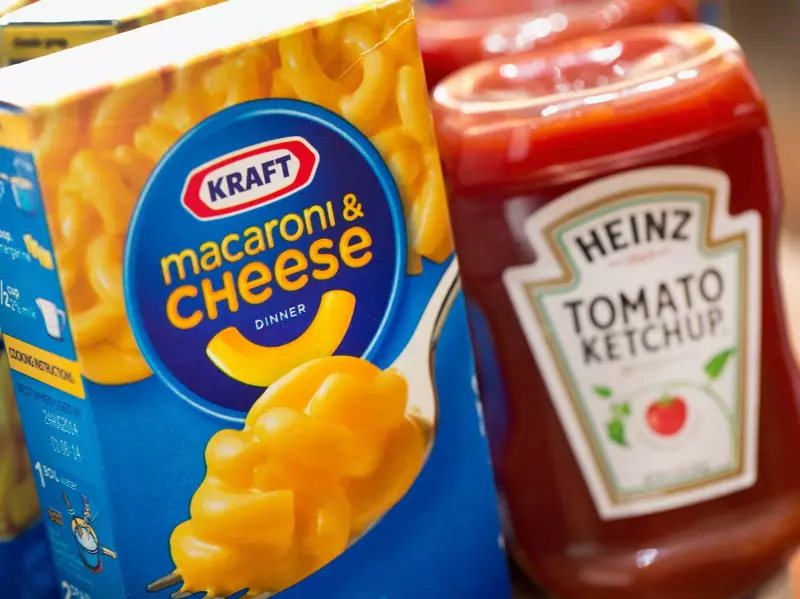
Following the planned separation, one company will focus on Kraft Heinz's faster-growing global brands, including the iconic Heinz ketchup, other condiments, and boxed foods. This entity is projected to generate approximately US$15.4 billion in annual sales.
The second company will include slower-growing grocery products such as Oscar Mayer hot dogs and Lunchables, which currently produce revenue of about US$10.4 billion annually. The split is expected to be completed during the second half of this year, representing one of the most significant corporate restructurings in the North American food industry in recent memory.
Warren Buffett's Perspective
Berkshire Hathaway's legendary investor Warren Buffett had previously expressed disappointment about Kraft Heinz's decision to separate, despite acknowledging that the original 2015 merger had not progressed as planned. Berkshire played a crucial role in that merger, partnering with 3G Capital as a financial backer to create what was then one of the largest food companies in the world.
The potential sale of Berkshire's stake represents a significant shift in the relationship between the two companies and marks another chapter in the ongoing transformation of Kraft Heinz as it seeks to revitalize its business and improve shareholder value through its planned corporate separation.