Greek Shipping Magnate Navigates Perilous Waters Amid Regional Conflict
As Iranian missiles illuminated the skies over the Strait of Hormuz last Sunday, effectively paralyzing one of the world's most critical maritime trade routes, a 79-year-old Greek billionaire made a bold decision. George Prokopiou, owner of Dynacom Tankers, directed his fleet straight into the heart of the turmoil, defying widespread industry caution.
A Lone Operator in Dangerous Waters
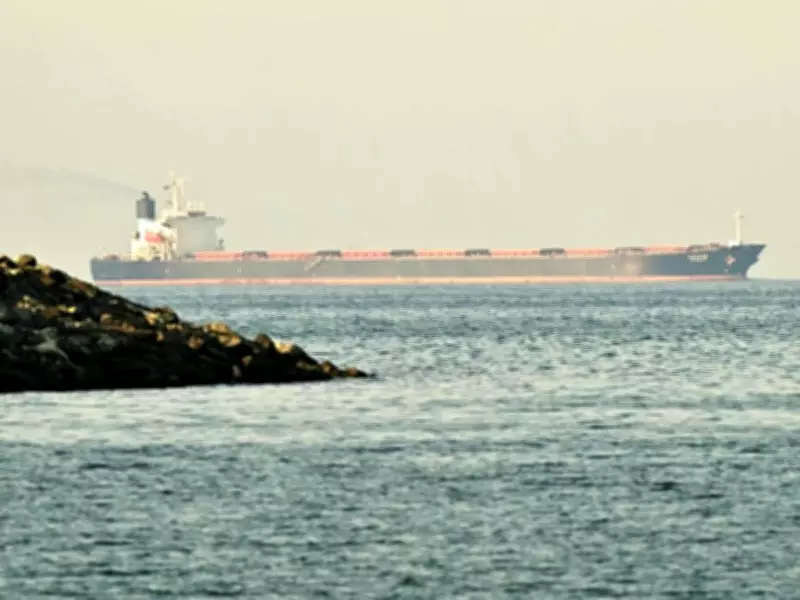
Since hostilities erupted with Iran on Saturday, Dynacom has dispatched at least five tankers through the narrow, strategically vital waterway at the Gulf's entrance. This makes Prokopiou's company one of the very few legitimate shipping operators currently willing to undertake this hazardous journey. "Most owners have paused transits... until things calm down," revealed a shipbroker familiar with the situation. "But there are a few buccaneers willing to take the risk."
The financial incentives for such bravery have become substantial. Freight rates for tankers departing the Gulf have skyrocketed, more than doubling since Friday and reaching unprecedented levels. According to data from price-reporting agency Argus, a single very large crude carrier (VLCC) completing the treacherous voyage from the strait to China could generate approximately $500,000 in daily revenue, excluding the substantial additional costs of war-risk insurance.

High Stakes for Ships and Sailors
While company owners risk significant financial assets and valuable vessels, the human cost presents an even graver concern. Crew members aboard these ships are literally putting their lives on the line. Iran has explicitly threatened to set ablaze any ships attempting the passage, having already struck at least nine vessels since the conflict began, resulting in the deaths of at least three seafarers.
In response to these threats, Dynacom has implemented covert navigation tactics. All of the company's vessels have deactivated their transponders—devices that automatically broadcast a ship's location and identity—while traversing the strait. Ship-tracking data illustrates this strategy: the Dynacom crude tanker Athina, which was positioned in the region prior to the attacks, ceased transmission southeast of the waterway early Saturday evening. It reappeared on tracking systems the following afternoon within the Gulf, later arriving at Bahrain's Sitrah Port on Monday. After loading a cargo of oil, the vessel departed just two days later.
The Unassuming 'Buccaneer' Behind the Fleet
George Prokopiou, born into affluence in Athens in 1946, represents the latest generation of Greek shipping magnates who have long dominated global maritime commerce. Described by an associate as "unassuming" and a "workaholic," he is rarely seen without his signature baseball cap. He drives an older Mercedes SUV and moves about without security detail—a notable exception among Greece's typically guarded shipping elite.
Prokopiou spends much of the year aboard his 106.5-meter mega-yacht, Dream, currently moored along the Athenian Riviera. His extensive real estate holdings in Greece have earned him the local nickname "the king of real estate." Last year, he acquired a stake in the exclusive Four Seasons Astir Palace—the luxury hotel group's sole Greek property—along with the adjacent Vouliagmeni marina, which primarily caters to mega-yachts.
His maritime empire began with the purchase of his first ship in his mid-twenties. From that modest start, Prokopiou built a formidable global fleet while cultivating a reputation for calculated risk-taking. His three primary shipping companies now operate more than 150 vessels worldwide, with approximately 85 additional ships currently under construction, according to sources familiar with his business.
This combination of personal modesty and professional daring defines the man now steering his tankers through one of the planet's most dangerous maritime chokepoints, balancing enormous financial reward against profound physical risk.