

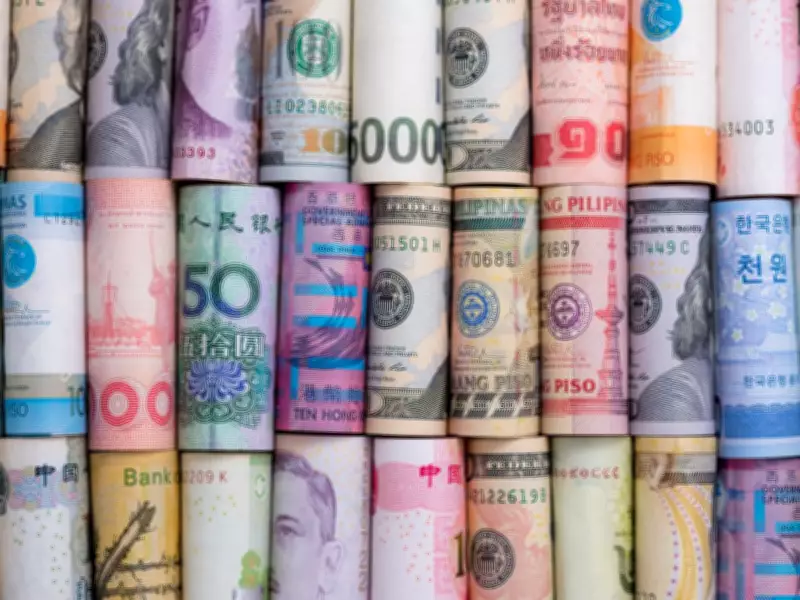
Emerging-market assets trimmed their gains following a report that Iran has rejected a ceasefire proposal, casting a shadow over hopes for a swift resolution to the ongoing conflict in the Middle East. This development has injected uncertainty into global financial markets, prompting investors to reassess risks.
Market Movements and Key Indicators
MSCI's index tracking currencies in developing nations showed a modest increase of 0.3%, though it retreated from earlier session highs. Among the standout performers were Hungary's forint and Peru's sol, which demonstrated resilience amid the volatility. A related gauge monitoring emerging-market stocks climbed 0.6%, down from an earlier peak of 0.8%. Trading activity was subdued in some regions, with markets in China, London, Hong Kong, and Australia closed for a holiday, contributing to thin liquidity conditions.
Expert Insights on Market Sentiment
Dan Pan, an economist at Standard Chartered Bank in New York, commented on the situation, noting, "There seems to be a lot of back and forth, and people are not quite sure how this will play out. Thin liquidity as people slowly come back from the long weekend also added to the lack of conviction across the market." His remarks underscore the cautious atmosphere prevailing among traders and analysts.

Ceasefire Discussions and Their Collapse
Earlier optimism had been fueled by reports from Axios, which indicated that the United States, Iran, and regional mediators were engaged in talks over a potential 45-day ceasefire aimed at paving the way for a permanent end to the war. However, this hope was dashed when Iran's state-run IRNA news agency, via mediator Pakistan, announced the rejection of the deal. This setback represents the latest obstacle in efforts to conclude the month-long conflict, which has already triggered a global energy crisis and raised concerns about growth, inflation, and interest rates worldwide.
Broader Economic Implications
The war's ripple effects are being felt across various economic fronts. U.S. data revealed that prices for services and materials surged to their highest level since October 2022, driven by escalating cost pressures for energy and other inputs linked to the Iran conflict. Meanwhile, Pakistan faces a new economic challenge after failing to secure an agreement with the United Arab Emirates to roll over $3 billion in debt, a move that had been routine for the past seven years. This loan constitutes approximately 18% of Pakistan's foreign exchange reserves, exerting significant pressure on the country's external buffers and threatening its currency stability, especially as high crude oil prices continue to drain its financial resources.
Political Context and Future Outlook
Adding to the geopolitical tension, former U.S. President Donald Trump is scheduled to speak at a press conference, where he has set a deadline for Iran to reach a deal. As markets navigate these turbulent waters, the interplay between political developments and economic indicators remains a critical focus for investors seeking to mitigate risks in an increasingly volatile global landscape.






