

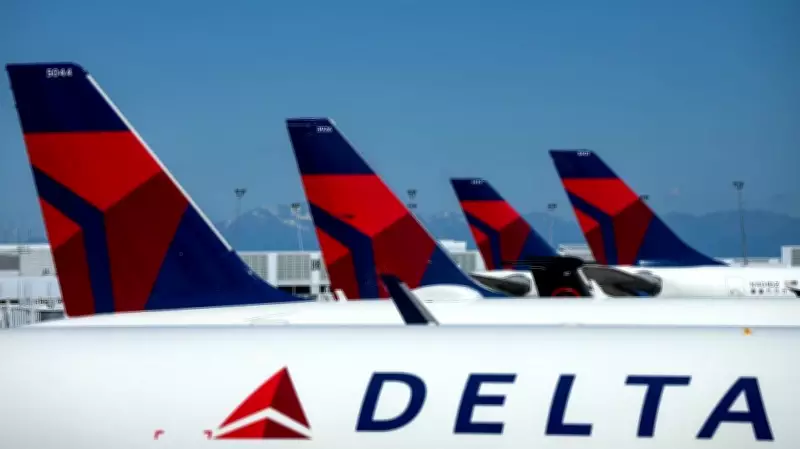
Delta Air Lines Adjusts Expansion Strategy Following Fuel Price Surge
Delta Air Lines has announced a significant scaling back of its growth plans in response to a sharp increase in fuel costs, which has negatively impacted the company's second-quarter profitability. This strategic shift comes as the airline industry grapples with volatile energy markets and rising operational expenses.
Financial Impact of Rising Fuel Prices
The decision to pull back on expansion initiatives follows a detailed analysis of Delta's financial performance during the second quarter. A sudden spike in fuel prices has driven up operational costs substantially, creating pressure on the airline's bottom line. This cost increase has directly contributed to a noticeable decline in Q2 profits, prompting management to reassess their growth trajectory.
Delta's management team has emphasized that this adjustment represents a prudent response to current market conditions rather than a long-term strategic change. The airline remains committed to maintaining service quality and operational efficiency while navigating these challenging economic circumstances.

Industry-Wide Challenges for Airlines
The aviation sector continues to face multiple headwinds beyond just fuel price volatility. Airlines must balance:
- Increasing operational costs across multiple categories
- Changing travel patterns and passenger demand
- Environmental regulations and sustainability initiatives
- Competitive pressures in key markets
Delta's experience reflects broader trends affecting major carriers worldwide, as energy costs represent one of the most significant variable expenses in airline operations. When fuel prices rise unexpectedly, airlines have limited immediate options to offset these increases without affecting either ticket prices or operational efficiency.
Strategic Response and Future Outlook
By temporarily scaling back growth initiatives, Delta aims to stabilize its financial position while maintaining core operations. This approach allows the company to:
- Conserve capital during periods of increased operational costs
- Reassess expansion timelines based on market conditions
- Focus resources on maintaining existing route profitability
- Prepare for potential future market improvements
The airline industry has historically demonstrated resilience in the face of fuel price fluctuations, with carriers implementing various strategies to manage cost pressures. Delta's current response follows this pattern of adaptive management in challenging economic environments.
Looking forward, industry analysts will monitor how Delta and other major airlines adjust their strategies in response to ongoing market volatility. The company's ability to navigate these challenges while maintaining service quality will be crucial for its competitive position in the coming quarters.






