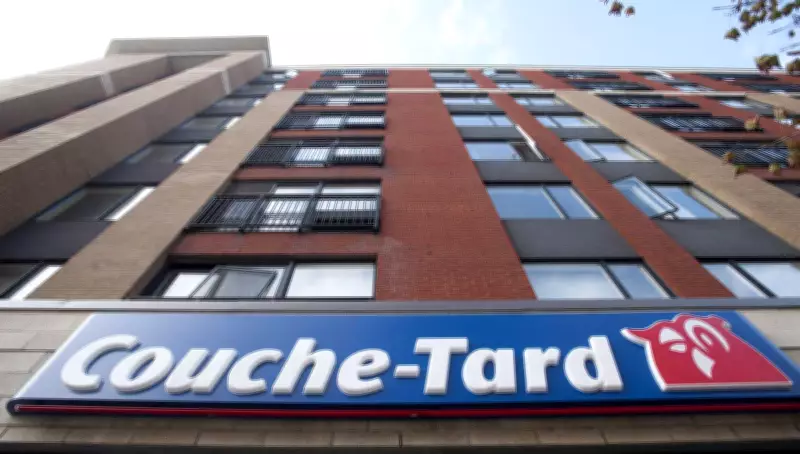
Couche-Tard Charts New Course After Abandoning 7-Eleven Parent Company Bid
Alimentation Couche-Tard, the global convenience store giant headquartered in Laval, Quebec, has publicly revealed a detailed and forward-looking strategic plan. This announcement comes in the wake of the company's decision to terminate its high-profile bid to acquire 7-Eleven's parent company, Seven & i Holdings, last year. The failed acquisition attempt, which garnered significant attention in the business community, has prompted Couche-Tard to pivot towards a renewed focus on internal growth and operational excellence.
Strategic Shift Towards Organic Expansion and Efficiency
The new strategy emphasizes a multi-faceted approach to strengthening Couche-Tard's market position without relying on large-scale mergers and acquisitions. Key components include accelerating organic store growth, particularly in high-potential regions across North America and Europe. The company plans to invest heavily in store renovations and technological upgrades to enhance the customer experience, with initiatives such as digital payment systems and loyalty programs taking center stage.
Operational efficiency is another critical pillar of the plan. Couche-Tard aims to optimize its supply chain and logistics networks to reduce costs and improve profitability. This includes leveraging data analytics to better manage inventory and streamline operations. The company's leadership has expressed confidence that these measures will drive sustainable growth and shareholder value in the coming years.

Background on the Failed 7-Eleven Acquisition
In 2025, Couche-Tard made a bold move to acquire Seven & i Holdings, the Japanese conglomerate that owns the 7-Eleven brand. The proposed deal, which would have created a global convenience store powerhouse, was ultimately called off due to regulatory hurdles and strategic disagreements. The termination marked a significant setback for Couche-Tard's expansion ambitions, leading to a period of internal reassessment.
The company's new strategy reflects lessons learned from that experience, with a greater emphasis on organic development and strategic partnerships rather than blockbuster acquisitions. Couche-Tard's CEO stated that while mergers remain a potential tool, the focus is now on building a more resilient and agile business model capable of thriving in a competitive retail landscape.
Future Outlook and Industry Implications
Industry analysts have noted that Couche-Tard's revised approach could set a trend in the convenience store sector, where consolidation has been prevalent. By prioritizing organic growth, the company may inspire competitors to explore similar paths. The strategy also includes a commitment to sustainability initiatives, such as reducing carbon emissions and promoting eco-friendly products, aligning with broader consumer and regulatory trends.
As Couche-Tard moves forward, it faces challenges including economic uncertainties and evolving consumer preferences. However, the company's strong financial position and proven track record in operational management provide a solid foundation for executing its new plan. The unveiling of this strategy marks a pivotal moment in Couche-Tard's evolution, signaling a proactive response to past setbacks and a clear vision for future success.