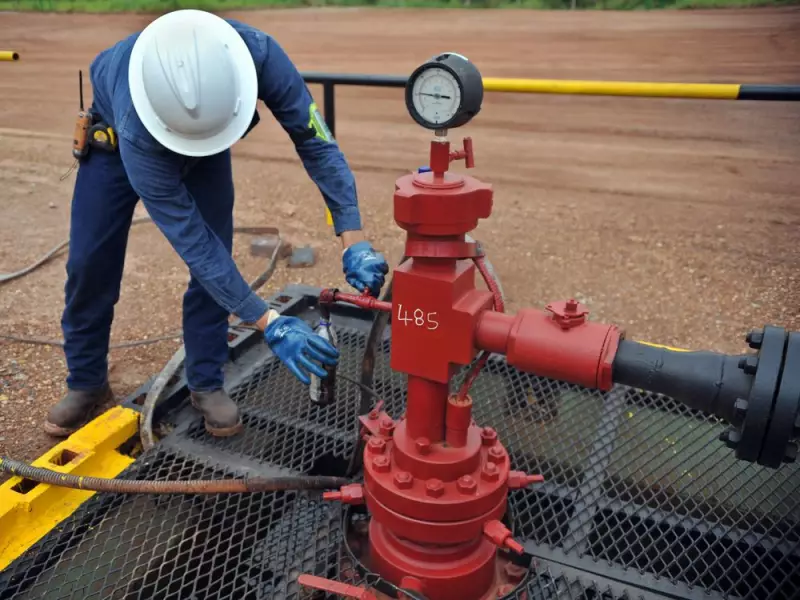
Canacol Energy Ltd., a Canadian company that is Colombia's leading private natural gas producer, is in urgent negotiations to secure a short-term loan from its creditors. This move comes as the firm attempts to restructure its substantial debt before depleting its cash reserves, according to sources familiar with the confidential discussions.
A Race Against Time and Mounting Losses
The company's need for capital is critical. Canacol's production has been in steady decline since it lost a major pipeline contract in 2023. This drop in output reached levels that activated an acceleration clause in its existing secured credit facility with Macquarie. The firm is now seeking what is known as debtor-in-possession (DIP) financing to fund operations during its restructuring process.
However, securing this emergency loan is a delicate matter that could create divisions among the company's lenders. Such financing typically grants the new lenders seniority over existing creditors, potentially putting other debt holders at a disadvantage. Canacol's debt structure includes approximately US$500 million in dollar bonds, the Macquarie facility, and a separate revolving credit facility with a syndicate of banks that is set to expire in 2027.

From Promise to Creditor Protection
The situation marks a stark reversal for Canacol, which had repeatedly assured investors it was in a strong position to manage its debt obligations and did not require a restructuring. "They were really looking for their lucky strike and it never showed up," said Daniel Guardiola, an analyst at BTG Pactual in Bogota. He pointed to a "lack of credibility" with markets, noting that even when gas prices and the company's EBITDA generation hit record highs, it failed to secure necessary financing.
The financial pressures culminated in the company seeking formal protection. On November 19, 2025, Canacol was granted creditor protection in Canada. The following week, it filed for relief under Chapter 15 of the U.S. bankruptcy code, a move that shields its U.S. assets while it restructures under the Canadian process.
The Path Forward: Restructuring and Potential Sale
A complex advisory structure is now overseeing the proceedings. A committee of bondholders is being advised by investment bank Houlihan Lokey. Canacol itself has retained the law firm Gowling WLG, while the banking syndicate is working with Clifford Chance. The accounting firm KPMG Inc. is serving as the court-appointed Monitor.
After years marked by operational setbacks, unsuccessful exploration campaigns, and poor communication with the investment community, many stakeholders now view a potential acquisition as the clearest path to recovery. Ricardo Roa, the chief executive of Colombia's state-owned energy company Ecopetrol, indicated this week that Canacol was pursuing a sale, though he did not provide details on the status of any talks.
Despite its troubles, analysts see underlying value in the company. "There is still strategic value to Canacol's production and assets," wrote Seaport Global strategist Bevan Rosenbloom in a November 25 note. He highlighted that Colombia faces a structural shortage of natural gas and that Canacol remains the country's second-largest producer. The company did not immediately respond to a request for comment on the ongoing loan negotiations and restructuring efforts.