

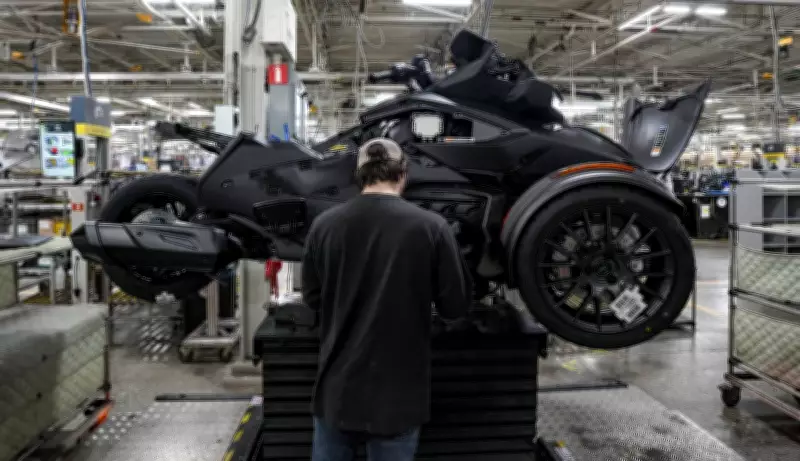
BRP Inc., the renowned manufacturer of recreational vehicles including the Can-Am Spyder, has announced the suspension of its financial guidance in response to recent changes in U.S. tariff policies. This decision underscores the significant uncertainty and potential disruptions facing the company as it navigates evolving international trade dynamics.
Impact of Tariff Adjustments on Business Operations
The suspension comes amid heightened volatility in global markets, with BRP citing the need to reassess its financial outlook due to the unpredictable effects of the new U.S. tariffs. These tariffs could influence production costs, supply chain logistics, and overall profitability for the Valcourt, Quebec-based firm. Industry analysts note that such policy shifts often force companies to adapt quickly to maintain competitiveness.
Manufacturing and Market Considerations
BRP's manufacturing facilities in Valcourt, Quebec, where the Can-Am Spyder is assembled, may face operational challenges as the company evaluates the long-term implications of the tariff changes. The move highlights broader concerns within the automotive and manufacturing sectors about trade barriers and their impact on North American businesses. Financial guidance suspensions are rare but not unprecedented in times of economic flux, reflecting a cautious approach to forecasting in an unstable environment.

In addition to the immediate financial repercussions, BRP is likely monitoring consumer demand and pricing strategies to mitigate any negative effects. The company's decision aligns with a trend among corporations to prioritize flexibility and risk management amid geopolitical uncertainties. This development serves as a reminder of the interconnected nature of global trade and its direct influence on corporate planning.
Broader Implications for the Industry
The suspension of guidance by BRP may signal similar actions from other firms in the sector, as businesses grapple with the ramifications of U.S. trade policies. Stakeholders, including investors and employees, are advised to stay informed as the situation evolves. The company has not provided a timeline for when it might reinstate its financial forecasts, emphasizing the need for ongoing assessment.
Overall, BRP's move underscores the critical importance of adaptive strategies in today's fast-paced economic landscape, where external factors like tariff changes can swiftly alter business trajectories.






