

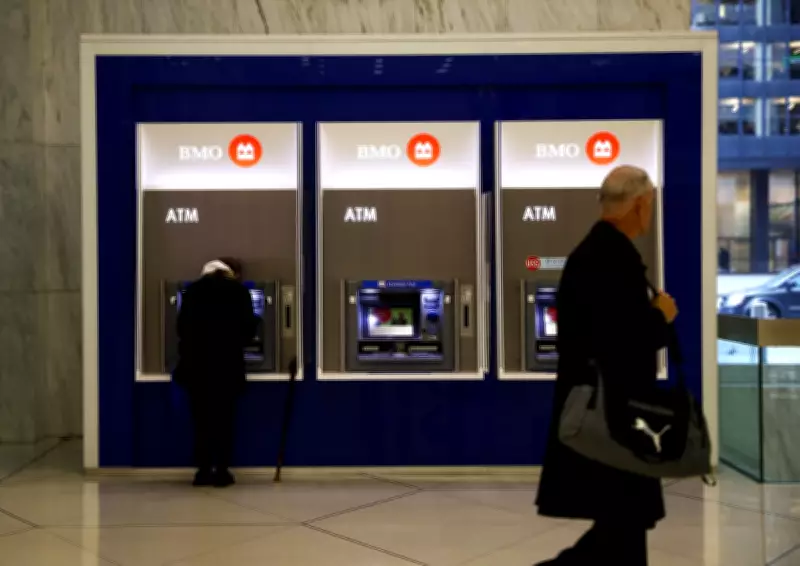
The Bank of Montreal (BMO) has announced an ambitious goal to increase its return on equity (ROE) to more than 15 percent by 2028. This strategic target will be pursued through a multi-faceted approach that includes bolstering its U.S. business segment, enhancing client relationships, and implementing artificial intelligence (AI) technologies to drive productivity and operational efficiency.
U.S. Operations as a Key Growth Driver
BMO's U.S. business currently accounts for over 40 percent of the bank's overall earnings, making it a critical component of the growth strategy. Chief Executive Darryl White emphasized at the bank's Investor Day event that improving the ROE of the U.S. operations from approximately eight percent to 12 percent represents the most significant opportunity to achieve the 15 percent target. This focus on the American market underscores BMO's commitment to expanding its footprint and profitability beyond Canadian borders.
Financial Performance and Targets
The bank reported an adjusted ROE of 11.3 percent in fiscal 2025, which increased to 12.4 percent in the first quarter of 2026. ROE is a key financial metric that measures how effectively a company utilizes shareholder investments to generate profits. BMO's progression toward the 15 percent goal reflects ongoing efforts to optimize its financial performance and deliver greater value to investors.

Leveraging Artificial Intelligence for Efficiency
Artificial intelligence is poised to play a pivotal role in BMO's strategy. Chief Risk Officer Piyush Agarwal highlighted that AI has already proven "fantastically useful" in areas such as anti-money laundering, reducing false alerts by about 10 percent and cutting the time for adverse media searches from 180 minutes to just 20 minutes per case. White described the bank's AI initiatives as "ambitious" and noted they are "already delivering real value across the bank," with plans to further integrate AI to meet client needs and boost productivity.
Industry Context and Competitive Landscape
BMO is not alone in its focus on AI; other major Canadian banks, including Royal Bank of Canada and Toronto-Dominion Bank, have also emphasized the importance of artificial intelligence at their investor events. TD Bank, for instance, plans to use AI to simplify processes and achieve savings worth half a billion dollars, while RBC has discussed the necessity of winning the "AI arms race" for future growth. This industry-wide trend highlights the transformative potential of AI in banking.
Risk Management and Economic Considerations
BMO is also working to "normalize" its provisions for credit losses (PCLs), which are reserves set aside for potentially bad loans. After reporting higher-than-expected PCLs in 2024, the bank has managed to stabilize this aspect of its risk management. Additionally, White addressed external economic factors, such as the U.S.-Israel war on Iran, which could impact inflation. He expressed confidence in BMO's ability to navigate periods of disruption, stating that such times allow the bank to provide "greatest value" to clients through deepened trust and guidance.
Potential Regulatory Benefits
The bank could receive an additional boost if the U.S. decides to lower capital requirements for banks, a move that could release billions of dollars for lending and other purposes. White noted that BMO's targets do not include this potential "tailwind," meaning any such regulatory change would provide extra benefits beyond the current projections.
Overall, BMO's comprehensive strategy to exceed a 15 percent ROE by 2028 involves a strong emphasis on U.S. expansion, client relationship enhancement, and technological innovation through AI, positioning the bank for sustained growth in a competitive financial landscape.






