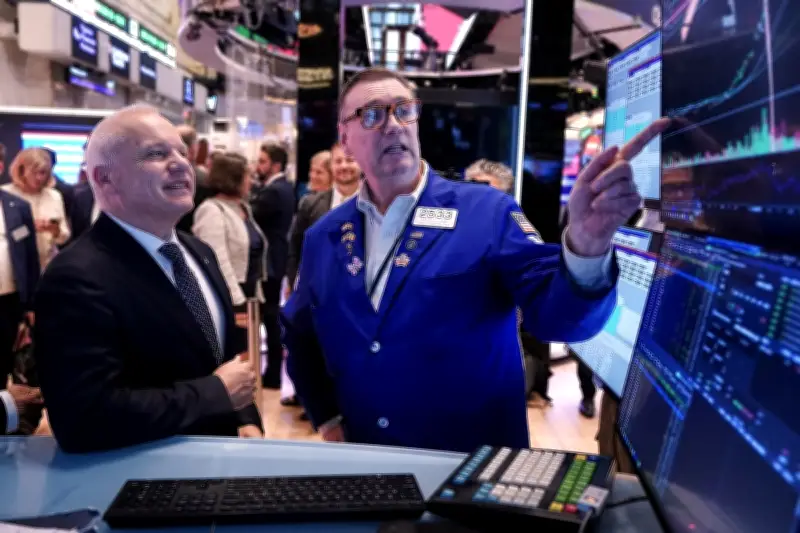
Big Tech Losses Drive Market Downturn
Sharp drops in major Big Tech companies pulled stocks lower on Wall Street on June 23, 2026, reversing earlier gains and raising concerns about the sector's stability. The declines were led by several high-profile technology firms, though specific companies and percentage drops were not detailed in the initial report.
Broader Market Impact
The downturn affected major indices, with the S&P 500 and Nasdaq composite both falling as investors reacted to the tech sell-off. Analysts noted that the losses erased gains from earlier in the session, highlighting ongoing volatility in the market. The Associated Press reported that the declines were broad-based, with technology, communication services, and consumer discretionary sectors all suffering losses.
Context and Contributing Factors
The drop comes amid ongoing concerns about inflation, interest rates, and global economic uncertainty. Investors have been closely watching Federal Reserve policy signals and corporate earnings reports for clues about future market direction. The tech sector, which had been a driver of market gains in previous years, has faced increased scrutiny over valuations and regulatory pressures.

Market Reaction and Expert Commentary
According to market analysts, the sell-off was triggered by a combination of profit-taking and nervousness ahead of upcoming economic data releases. “Investors are taking a cautious stance after the recent rally in tech stocks,” said one analyst. “There's a sense that valuations may have gotten ahead of fundamentals.” The Dow Jones Industrial Average also declined, though by a smaller margin than the tech-heavy Nasdaq.
Outlook and Investor Sentiment
Looking ahead, market participants are bracing for continued volatility as they digest corporate earnings and economic indicators. The tech sector's performance will be closely watched in the coming days, with many investors adopting a wait-and-see approach. The Associated Press noted that trading volume was higher than average, suggesting heightened investor anxiety.