Business Community Voices Opposition to Proposed Tax Changes
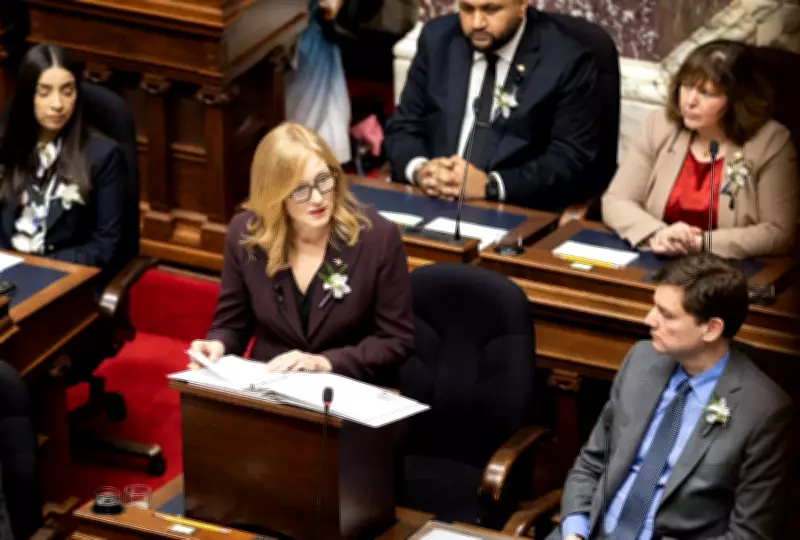
In a significant development, business leaders across British Columbia are mounting pressure on the provincial government to abandon its proposed expansion of the Provincial Sales Tax (PST). The call comes shortly after Finance Minister Brenda Bailey tabled the provincial budget, with Premier David Eby in attendance, at the legislature in Victoria on February 17, 2026.
Economic Concerns Take Center Stage
The business community argues that expanding the PST would place an undue burden on consumers and undermine the province's economic competitiveness. Many industry representatives have expressed fears that increased taxation could stifle growth, particularly as businesses continue to recover from recent economic challenges. The proposed expansion, details of which were outlined in the recent budget, has sparked widespread debate about fiscal policy and its impact on both enterprises and households.
This opposition highlights a growing tension between government revenue needs and private sector priorities, with business leaders emphasizing the need for tax policies that support rather than hinder economic activity. The timing of this push is critical, as the government seeks to balance budgetary requirements with fostering a favorable business environment.

Broader Implications for Provincial Policy
The controversy over PST expansion reflects larger discussions about taxation and public finance in British Columbia. Advocates for scrapping the expansion point to potential negative effects on consumer spending and business investment, warning that higher taxes could lead to reduced economic vitality. Meanwhile, the government has defended its budget proposals as necessary for funding essential services and infrastructure projects.
As the debate unfolds, stakeholders are closely monitoring how the provincial administration will respond to these calls from the business sector. The outcome could have lasting implications for tax policy and economic strategy in British Columbia, influencing decisions on everything from retail operations to industrial development. This situation underscores the complex interplay between fiscal management and economic growth in the province's political landscape.