

Asian Markets Mostly Higher After Wall Street Hits Record and Oil Rises
Asian stock markets exhibited a predominantly positive trend on Thursday, April 16, 2026, following a record-setting session on Wall Street and a notable increase in oil prices. This upward movement reflects growing investor confidence amid favorable global economic signals.
Market Performance Across Asia
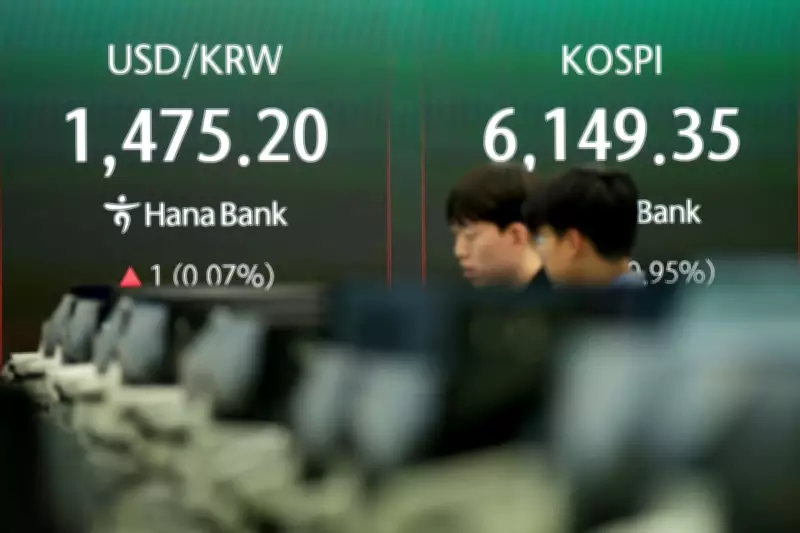
Key indices in the region showed gains, with particular strength observed in South Korea. At a dealing room of Hana Bank in Seoul, dealers monitored the Korea Composite Stock Price Index (KOSPI) and the foreign exchange rate between the U.S. dollar and the South Korean won, indicating active trading and market engagement. The positive sentiment was widespread, though some markets experienced minor fluctuations.
The rally in Asian equities was largely driven by the overnight performance of U.S. markets, where major indices like the Dow Jones Industrial Average and the S&P 500 reached new all-time highs. This surge was attributed to renewed hopes for a de-escalation in geopolitical tensions, particularly concerning the Iran conflict, which boosted risk appetite among investors globally.

Impact of Rising Oil Prices
Concurrently, oil prices climbed, adding to the bullish momentum. The increase in crude oil benchmarks, such as Brent and West Texas Intermediate, supported energy-related stocks and contributed to the overall market optimism. Analysts note that higher oil prices often signal stronger demand and economic activity, which can positively influence stock markets, especially in resource-dependent regions.
However, experts caution that sustained high oil prices could also lead to inflationary pressures, potentially affecting consumer spending and corporate profits in the long term. For now, the immediate effect has been supportive of equity markets.
Global Economic Context
The broader economic backdrop includes mixed signals from other regions. In Canada, the S&P/TSX composite index also rose, aligning with the positive trend in U.S. markets. Meanwhile, business news highlighted challenges such as craft brewers absorbing increased shipping costs due to surging fuel prices, and Sunwing Vacations and WestJet Vacations canceling Cuba operations until October, reflecting sector-specific headwinds.
In Europe, political developments, such as Finland's Stubb emphasizing a pro-American stance amid criticism from allies, added to the global narrative. These factors collectively influenced market dynamics, with investors weighing geopolitical risks against economic opportunities.
Outlook and Analysis
Market analysts suggest that the current uptrend in Asian stocks may continue in the short term, provided that Wall Street maintains its strength and oil prices remain stable. Key indicators to watch include upcoming economic data releases, central bank policies, and further developments in international relations.
Investors are advised to monitor sectors that benefit from higher oil prices, such as energy and commodities, while also considering defensive stocks in case of market volatility. The overall sentiment remains cautiously optimistic, with a focus on sustainable growth and risk management.
In summary, Asian markets responded positively to external stimuli, showcasing resilience and adaptability in a complex global environment. This performance underscores the interconnectedness of financial markets and the importance of monitoring cross-border economic trends.






