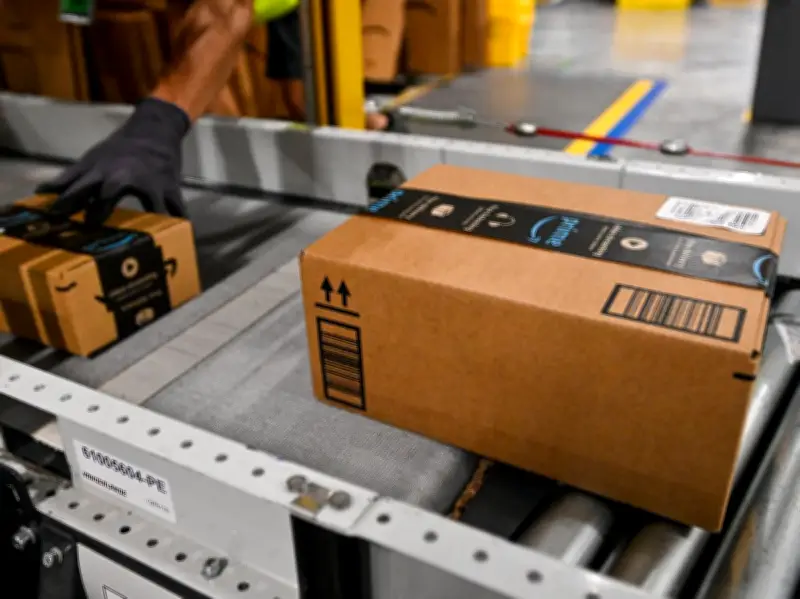
Amazon.com Inc.'s annual Prime Day sale is off to a slow start, with average household spending down 16% compared to last year, according to a survey by market research firm Numerator. As of 4 p.m. New York time on the first day, the average household had spent about US$89, down from the same period during the July 2025 event.
Survey Details and Shopper Behavior
The survey, based on more than 6,700 Prime Day orders from over 3,600 households, found that shoppers stocked up on everyday items like trash bags, cat treats, and makeup remover. Numerator's data indicates a cautious consumer base, with many holding out for deeper discounts.
More than seven in 10 shoppers said products would need to be discounted by at least 30% for them to consider it a good deal, according to a separate April survey by marketing agency Tinuiti Inc. One in five shoppers deemed at least half off a good discount.

Economic Pressures on Discounts
Lofty oil prices and continued tariff uncertainty have made it difficult for sellers to offer steep discounts this year, said Josh Ketter, proprietor of Spreetail in Lincoln, Nebraska, which sells swimming pools, trampolines, patio furniture, and thousands of other products on marketplaces like Amazon, Walmart, and TikTok Shop. Many of his products are made with petroleum-based plastics, so the Iran war drove up his expenses.
“Last year we still had some inventory that came in before the tariffs, so we were in a better position,” said Ketter, whose average Prime Day discount this year is in the 15% to 20% range. Shoppers are trading down to lower-cost versions of products, for instance picking the US$500 swimming pool over a US$1,000 one.
Amazon's Response and Broader Trends
Amazon spokesperson Maxine Tagay said in an email that the company was “pleased with the early customer response” and noted that more than one million items are being offered at their lowest price so far this year, with over 100,000 deals discounted by at least 40%. She dismissed the Numerator survey, stating, “Third-party data on deal selection and purchasing trends are often inaccurate, as is the case with these reports.”
Global marketing firm PMG estimated Prime Day discounts would be shallower this year, continuing a multiyear trend. The firm analyzed discount data on tens of millions of products over the past two years. Meanwhile, Adobe Inc. projects U.S. consumers will spend US$26.3 billion online with Amazon and other retailers during the event, up 9% from last year’s four-day sale in July. Discounts are expected to be in line with last year, when apparel and electronics sellers offered about 23% off.
Consumer Expectations and AI Tools
Almost 90% of Amazon Prime subscribers plan to shop the sale, according to Tinuiti’s survey. However, many will also surf the web and use artificial intelligence tools to find the best deals. Back-to-school apparel is expected to be a leading category this year.