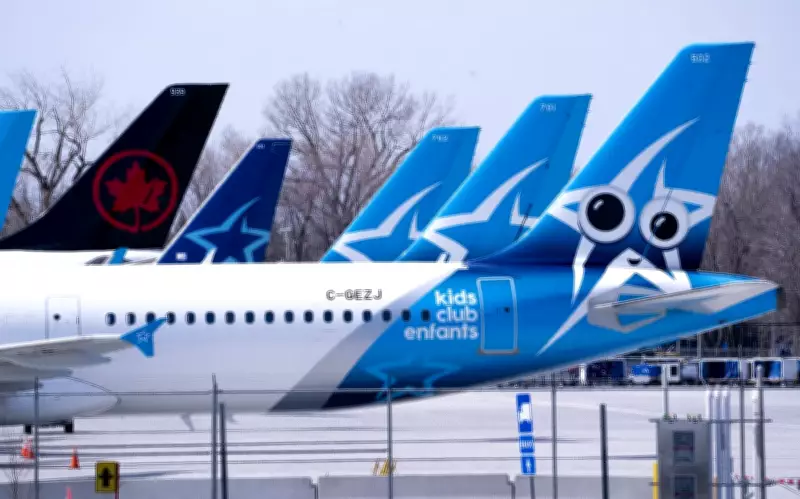
Air Transat Announces Major Flight Reductions Amid Fuel Price Surge
Air Transat, a prominent Canadian leisure airline, has revealed plans to cut hundreds of flights in response to skyrocketing jet fuel costs exacerbated by the ongoing conflict in Iran. This decision underscores the severe economic pressures facing the aviation sector as geopolitical tensions disrupt global energy markets.
Economic Impact of Geopolitical Tensions on Aviation
The airline cited the Iran war as a primary driver behind the surge in fuel expenses, which have rendered many routes financially unsustainable. Jet fuel prices have climbed dramatically in recent months, squeezing profit margins and forcing carriers to reassess their operational strategies. Air Transat's move highlights a broader trend within the industry, where airlines are grappling with similar challenges due to volatile oil markets.
This reduction in flight capacity is expected to affect numerous destinations, potentially impacting travel plans for thousands of passengers during peak seasons. The airline has not specified exact numbers but indicated that the cuts will be substantial, targeting less profitable routes to maintain overall financial stability.

Broader Implications for the Travel Industry
Industry analysts warn that such adjustments could become more common if fuel prices remain elevated. The ripple effects may extend to ticket prices, with airlines likely passing on increased costs to consumers, leading to higher fares across the board. Additionally, this situation could prompt other carriers to follow suit, resulting in reduced flight options and increased competition for available seats.
Air Transat's decision reflects a cautious approach to navigating uncertain economic conditions. By scaling back operations, the airline aims to mitigate losses and ensure long-term viability in a market fraught with unpredictability. This strategy involves:
- Prioritizing high-demand routes to maximize revenue.
- Implementing cost-saving measures across other operational areas.
- Monitoring fuel price trends closely to adapt plans as needed.
Looking Ahead: Challenges and Adaptations
The aviation industry faces a complex landscape, with factors like the Iran conflict adding layers of risk to already tight margins. Air Transat's proactive cuts may serve as a model for other airlines struggling with similar issues. However, the long-term outlook remains uncertain, dependent on geopolitical developments and global economic trends.
Passengers are advised to stay informed about schedule changes and consider flexible booking options. As airlines like Air Transat navigate these turbulent times, the focus shifts to resilience and adaptation in the face of ongoing challenges.