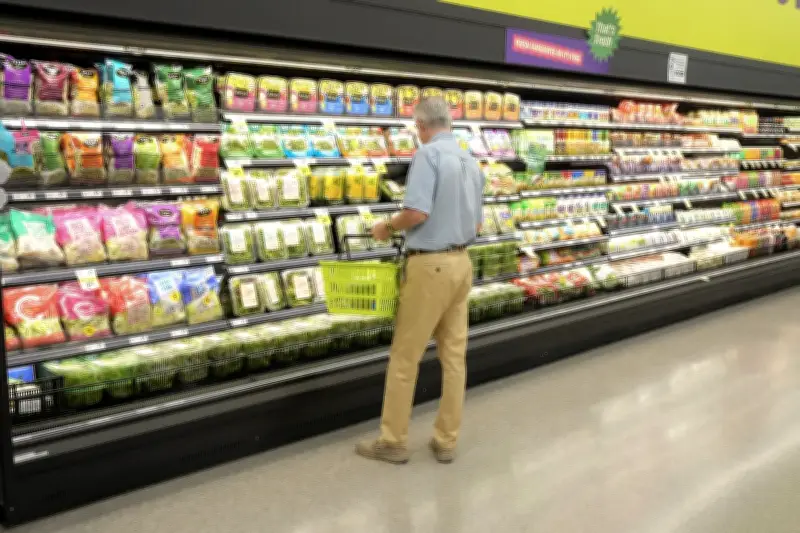
Living alone often comes with higher grocery costs, a reality many single-person households face. John Vennavally-Rao explores how household size influences spending patterns and what can be done to mitigate the financial impact.
The Hidden Costs of Solo Living
Single individuals frequently pay more per person for groceries compared to larger families. This is due to factors like packaging sizes, bulk discounts unavailable to smaller households, and the inability to share perishable items before they spoil.
Why Size Matters
Household size directly affects per-capita spending. For example, a family of four can buy in bulk and divide costs, while a single person must buy smaller, often more expensive, portions. Additionally, single-person households tend to waste more food relative to their consumption.

Key Findings:
- Single-person households spend up to 30% more per person on groceries than families.
- Bulk buying is less practical for solo shoppers due to limited storage and consumption rates.
- Perishable items like fresh produce and dairy are harder to use before expiration.
Strategies to Save
Despite these challenges, there are ways to reduce costs. Meal planning, freezing leftovers, and joining bulk-buying groups can help. Shopping at discount stores and using loyalty programs also offer savings.
“It’s about being intentional with your purchases,” says financial expert Jane Doe. “Small changes can add up over time.”
Broader Economic Context
Inflation has exacerbated the issue, with grocery prices rising steadily. According to recent data, food prices increased by 5% in the past year alone, hitting single-income households hardest.
For more on this topic, watch the full video report by John Vennavally-Rao.