The United States emergency supply of crude oil has fallen to its lowest level since 1983 as the Trump administration moves toward completing its plan to release 172 million barrels to ease surging fuel prices spurred by the war in Iran.
Strategic Petroleum Reserve at Historic Low
The Strategic Petroleum Reserve, created after the Arab oil embargo of the early 1970s, has dropped to a near-record low of roughly 340 million barrels, according to Energy Department data released Monday.
The U.S. Energy Department announced its plan in March to release oil from the strategic reserve as part of a coordinated effort by nations around the world less than two weeks after the U.S. and Israel launched attacks on Iran.

Second-Largest Release in History
If completed, it will be the second-largest release in the stockpile history, leaving the reserve with about 243 million barrels, or about a third of its authorized capacity. The dwindling stockpile leaves the U.S. with less flexibility to respond to future supply disruptions.
The reserve needs to have a minimum of 150 million to 200 million barrels to function properly, according to Patrick De Haan, head of petroleum analysis for GasBuddy.
That leaves little room for additional releases, De Haan said in an interview.
Administration Defends Actions
An Energy Department spokesman said the administration is managing the reserve in the way it was intended to be used: helping stabilize oil markets, protecting the U.S. from supply disruptions and making the nation more secure when it comes to energy.
The reserve is falling to a historic low as the U.S. and Iran reached an interim peace agreement to reopen the Strait of Hormuz and move toward ending the 15-week war.
Exchange Program and Refill Plans
The administration is releasing the oil through an exchange program that involves essentially loaning barrels to companies that must eventually return them with interest. The return rate so far has been about 26 per cent, creating potentially more than US$3 billion in savings for taxpayers, the Energy Department spokesman said.
The agency says it will refill the reserve with approximately 200 barrels, or 20 per cent more than what was released, within the next year.
Historical Context
The U.S. emergency oil reserve was already significantly depleted when Trump took office 16 months ago. Former President Joe Biden administration withdrew roughly 290 million barrels from the system through a series of releases, including after Russia invasion of Ukraine. Republicans at the time argued the move was intended to lower gasoline prices ahead of the 2022 midterm elections rather than responding to a genuine supply emergency.
Trump pledged to refill the reserve, which has a capacity of roughly 700 million barrels, while criticizing Biden for depleting it.
Political Pressure
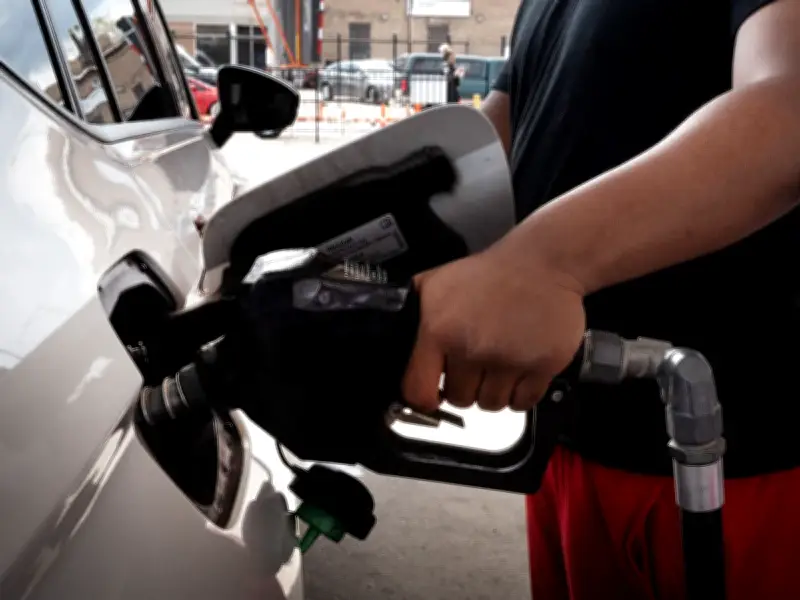
Global crude futures are up about 20 per cent since the war began, driving gasoline prices in the U.S. to an average of around US$4.07 a gallon. That putting political pressure on Trump ahead of mid-term elections in November that will determine whether his party will maintain control of the U.S. Congress.