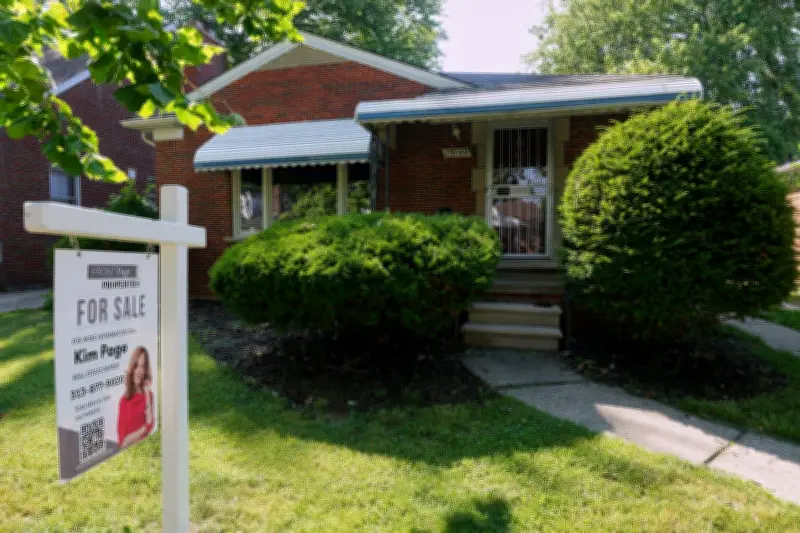
U.S. home prices hit a record high in June 2026, even as sales slowed and mortgage rates rose, according to a report from the National Association of Realtors (NAR). The median existing-home price climbed to $426,900, surpassing the previous peak set in May 2026.
Sales Decline Amid Rising Rates
Existing home sales fell 3.3% in June compared to May, and were down 5.4% year-over-year. The average 30-year fixed mortgage rate rose to 7.2%, up from 6.8% in May, further squeezing affordability for buyers.
“Higher borrowing costs are clearly taking a toll on demand,” said Lawrence Yun, NAR’s chief economist. “However, the limited supply of homes for sale is keeping prices elevated.”

Supply Constraints Persist
The inventory of unsold homes stood at 1.1 million units, representing a 3.1-month supply at the current sales pace. A balanced market typically has a 6-month supply. New listings have also dropped as homeowners with low mortgage rates are reluctant to sell.
First-time buyers accounted for only 28% of sales, down from 30% a year ago, as high prices and rates push many out of the market. All-cash purchases made up 27% of transactions, with investors and international buyers playing a larger role.
Regional Variations
Price gains were strongest in the Northeast and Midwest, where inventory is especially tight. The South saw a slight price decline in some markets as new construction added supply. The West experienced modest growth, with California markets showing mixed results.
“We are seeing a two-tier market: affordable regions are still seeing bidding wars, while higher-priced areas are cooling,” Yun added.
Outlook for the Market
Economists expect mortgage rates to remain elevated through the end of 2026, with the Federal Reserve signaling no immediate rate cuts. Home price growth is forecast to moderate to 3-4% annually, down from double-digit gains in previous years.
Despite the slowdown, the housing market remains a key driver of the economy, with home equity reaching a record $32 trillion. However, affordability challenges are likely to persist, especially for younger buyers.