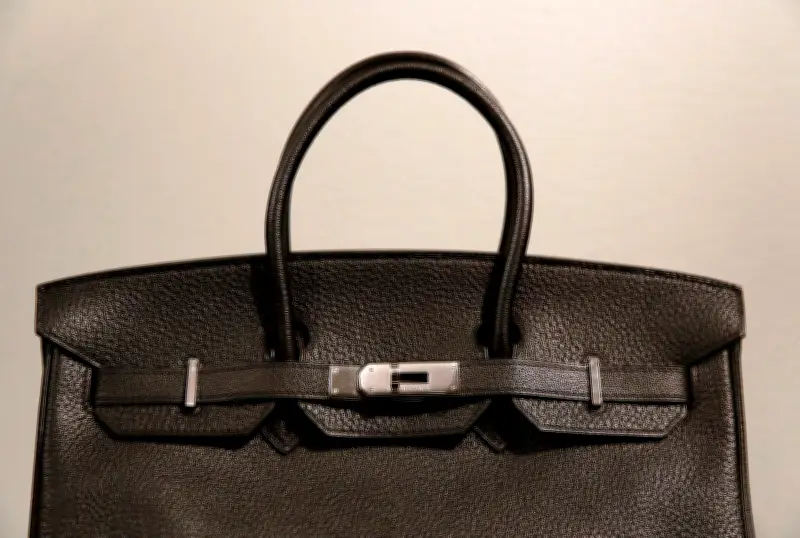
A new study has uncovered surprising findings about who buys counterfeit luxury items, challenging long-held stereotypes that such purchases are primarily made by less affluent or less educated consumers. The research, conducted by a team of economists and marketing experts, reveals that a significant portion of counterfeit luxury buyers are actually well-off and highly educated individuals.
Key Findings of the Study
The study analyzed purchasing data and survey responses from thousands of consumers across multiple countries. According to the lead researcher, Dr. Emily Chen, “We found that nearly 40% of counterfeit luxury buyers have household incomes above $100,000, and over 60% hold a college degree or higher.” This contradicts the common assumption that counterfeit goods are mainly bought by those who cannot afford authentic luxury items.
Motivations Behind the Purchases
The research also explored the motivations driving these purchases. Many affluent consumers cited the desire for variety and the thrill of finding a high-quality fake as key reasons. “Some buyers view counterfeit goods as a way to experiment with trends without committing to a high price tag,” Dr. Chen explained. Others reported feeling that the high markups on authentic luxury goods are unjustified, making fakes a more rational choice.

Impact on the Luxury Market
The findings have significant implications for the luxury industry. Brands like Hermès, whose Birkin bags can cost tens of thousands of dollars, have long battled counterfeiting. The study suggests that anti-counterfeiting efforts may need to target a broader demographic than previously thought. According to a spokesperson for the International Anti-Counterfeiting Coalition, “Brands must adapt their strategies to address the sophisticated consumer who deliberately seeks out fakes.”
Regional Variations
The study also highlighted regional differences. In North America and Europe, counterfeit buyers tend to be older and more affluent, while in Asia, younger consumers dominate the market. In China, for example, over 70% of counterfeit luxury buyers are under 35. This suggests that cultural factors and access to authentic products play a role in purchasing behavior.
Conclusion
As the counterfeit market continues to grow, estimated at over $500 billion annually, understanding the demographics of buyers is crucial for both brands and policymakers. The study calls for more nuanced approaches to combating counterfeiting, including education campaigns that highlight the ethical and legal risks, as well as the potential for supporting criminal enterprises.