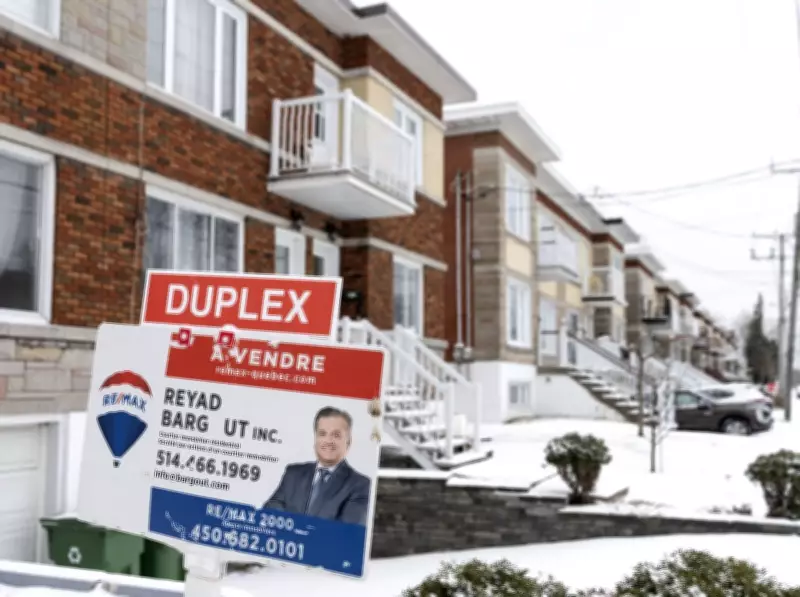
The Montreal Metropolitan Community real estate market experienced a notable decline in April 2026, with home sales dropping by 7% compared to the same period last year. The decrease, reported by the Quebec Professional Association of Real Estate Brokers, is attributed to persistently rising prices that are weighing on buyer demand.
Market Trends and Data
According to the board, a total of 4,200 residential sales were recorded in the Montreal area in April, down from 4,516 in April 2025. This marks the third consecutive month of declining sales activity, signaling a cooling trend in what had been a robust market.
The average home price in the region rose by 5.2% year-over-year to $580,000, with single-family homes averaging $650,000 and condominiums reaching $420,000. The price increase, while slower than in previous months, continues to outpace income growth, making homeownership less accessible for many buyers.

Impact on Buyers and Sellers
Real estate experts note that the combination of higher prices and increased borrowing costs is creating a challenging environment. First-time buyers are particularly affected, as they struggle to meet down payment requirements and qualify for mortgages. Sellers, meanwhile, are facing longer listing periods and fewer offers, with the average number of days on market increasing to 45 days in April, compared to 38 days a year ago.
"The market is adjusting to a new reality where affordability constraints are limiting demand," said a spokesperson for the board. "We are seeing a shift towards more balanced conditions, which could lead to price stabilization in the coming months."
Regional Variations
The sales decline was not uniform across the Montreal area. The Island of Montreal saw a 5% drop, while suburban areas like Laval and the South Shore experienced steeper declines of 9% and 8%, respectively. In contrast, the North Shore region reported a modest 2% increase in sales, driven by lower-priced properties.
Inventory Levels
The number of active listings rose by 12% in April, reaching 12,500 units, which provides more options for buyers but also contributes to the softening of prices. New listings increased by 8% compared to last year, indicating that more homeowners are choosing to sell amid the changing market conditions.
Industry observers suggest that the market may be entering a phase of correction, with prices expected to level off or even decline in some segments if demand continues to weaken. However, the board cautioned that factors such as immigration and economic growth could support demand in the long term.
Overall, the April data underscores the challenges facing Montreal's housing market, as rising prices and affordability issues reshape buyer behavior and seller expectations.