

Manitoba Pioneers Algorithmic Pricing Ban in Canada's First Legislation
Manitoba has made history by becoming the first jurisdiction in Canada to introduce groundbreaking legislation that would classify it as an unfair practice for suppliers to charge higher prices based on algorithmic pricing methods. This landmark move positions the province at the forefront of consumer protection in the digital age.
Bill 49 Targets Personalized Price Discrimination
The proposed legislation, known as Bill 49, specifically aims to prevent retailers from utilizing personal consumer data—such as detailed purchasing history, browsing patterns, and demographic information—to set higher individualized prices for specific customers. This practice, often referred to as personalized or discriminatory pricing, has raised significant ethical concerns about market fairness and equal access to goods and services.
Vass Bednar, managing director of the Canadian Shield Institute, which actively promotes homegrown innovation, emphasized the growing prevalence of algorithmic price calibration across various industries. "The use of sophisticated algorithms to micro-calibrate prices is becoming increasingly widespread and sophisticated," Bednar noted. "Yet there has been a notable absence of federal government response regarding transparency and regulation in this area."

Bednar praised Manitoba's bold initiative, stating, "What Manitoba did was truly ballsy. It has effectively started a crucial national conversation about this controversial practice that affects consumers across the country."
Political Strategy and Consumer Concerns
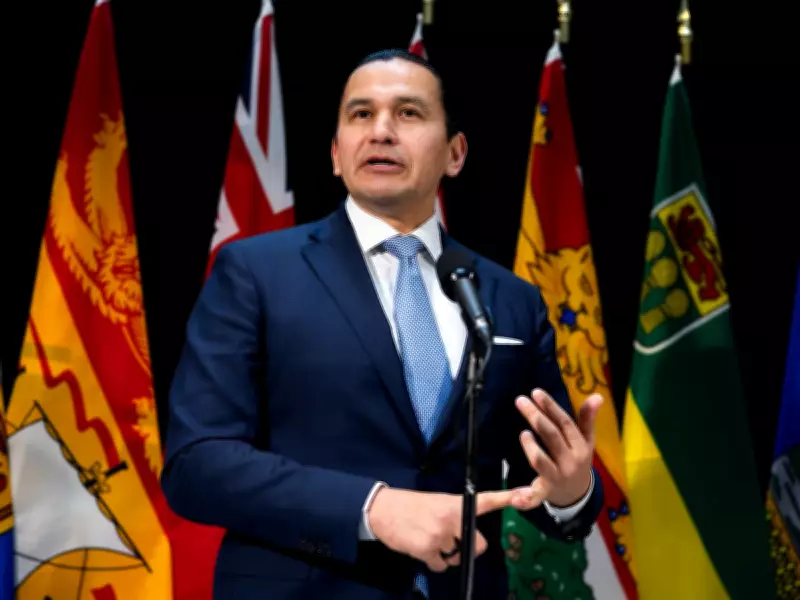
The legislation forms a key component of Premier Wab Kinew's comprehensive affordability strategy, which also includes measures such as a gas-tax reduction, a freeze on milk prices and hydro rates, and the removal of property controls on grocery store locations. This move represents a savvy political calculation as Premier Kinew contemplates the possibility of calling an early provincial election.
However, critics argue that the government might be employing excessive force to address a problem that hasn't been widely documented within Manitoba's borders. The provincial government itself acknowledges that this specific form of price manipulation hasn't been extensively observed or reported in the province, raising questions about the legislation's immediate practical impact.
The Competition Bureau of Canada issued a comprehensive discussion paper on algorithmic pricing in January, which generated substantial feedback from various stakeholders. Much of this feedback expressed negative concerns about multiple aspects of algorithmic pricing, including potential unfairness, discrimination against vulnerable populations, excessive price fluctuations, exploitation of consumer data, and possibilities of collusion and price fixing among competitors.
Public Perception and Industry Response
A revealing new poll conducted by Abacus Data indicates that while public awareness about the technical mechanics of algorithmic pricing remains relatively low, there exists widespread suspicion and concern about unpredictable and seemingly arbitrary pricing practices. The survey found that nearly half of all consumers polled reported noticing that prices appeared to be adjusted automatically in their shopping experiences.
More significantly, over half of respondents believed the concept of different people being charged different prices for identical products was fundamentally unfair, with a similar proportion supporting outright bans on such practices. These findings highlight growing public unease with personalized pricing models that leverage vast amounts of personal data to determine individual pricing structures.
Bednar pointed to concerning evidence from the United States, where prices for airlines and hotel accommodations appear to be "supercharged" through sophisticated data analysis designed to maximize corporate revenues at consumers' expense. This international context adds urgency to the Canadian discussion about appropriate regulatory responses.

Industry Defense and Alternative Perspectives
The retail industry in Canada maintains a different perspective on algorithmic pricing, which it often refers to as dynamic pricing. Industry representatives argue that the practice has developed an unfairly negative reputation based primarily on problematic trials conducted in the United States by companies like grocery delivery giant Instacart. That company faced accusations of deceptive billing and subscription practices last year, resulting in a settlement requiring US$60 million in customer rebates.
Canadian retailers contend that dynamic pricing typically utilizes transactional data to provide targeted discounts and promotional offers rather than to raise prices artificially. They emphasize that these discounts are generally aimed at specific subsets of consumers—such as households that regularly purchase pet food or diapers—rather than at individual shoppers. In these scenarios, retailers maintain that the underlying regular prices remain consistent and widely available to all consumers.
An important counterpoint raised in the Competition Bureau's discussion paper suggests that algorithmic pricing could potentially benefit consumers by lowering costs rather than increasing them. Some respondents argued that this technology improves market efficiency by better matching supply with demand, thereby enhancing competition and enabling companies to respond more rapidly to changing market conditions.
This legislation represents a significant milestone in Canada's ongoing conversation about digital commerce, consumer rights, and market fairness in an increasingly data-driven economy. As Manitoba takes this pioneering step, other provinces and the federal government will likely watch closely to assess both the implementation challenges and the broader implications for Canadian consumers and businesses alike.





