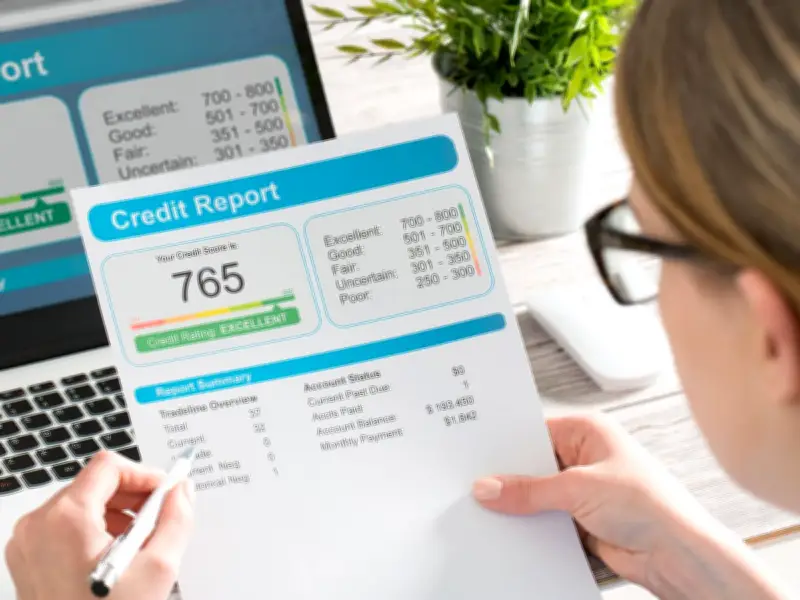
You checked your credit score, saw it had improved, and felt confident applying for a loan. Yet the lender still declined you. This scenario is more common than you might think, according to financial experts. A credit score is just one factor lenders weigh; your overall financial picture matters just as much.
What a Credit Score Captures
A credit score reflects your past reliability in managing credit, including payment history, length of credit history, credit inquiries, account mix, and credit utilization. A rising score indicates you are improving in these areas. However, the score does not measure your ability to take on more debt.
The Missing Piece: Debt-to-Income Ratio
Lenders assess affordability separately using your total debt service (TDS) ratio. For non-mortgage loans, TDS compares your total monthly debt obligations—including rent and utilities—to your gross monthly income. If adding the new payment pushes this ratio beyond 40%, the application may be declined, regardless of your credit score.

According to lending experts, each lender sets its own criteria. Some calculate minimum payments on credit cards you rarely use, which can inflate your apparent debt load. Even with a spotless payment history, existing obligations may leave no room for more debt.
Credit Utilization: A Hidden Factor
You mentioned paying off balances eventually. Lenders also look at credit utilization—the percentage of available credit you are using. If your statement balance is high due to monthly spending for rewards, that high utilization is reported, even if you pay in full. Your score captures that snapshot, not your repayment pattern.
Employment Stability Matters
Stable, consistent income is key. Lenders typically want to see at least three months of steady income, with preference for two or more years at the same employer or within the same industry. A recent job change may introduce uncertainty, though it is not an automatic disqualifier.
How to Improve Your Chances
Before reapplying, calculate your own TDS ratio: add all monthly debt payments and divide by gross monthly income. Paying down existing balances can lower this ratio. Also, consider reducing your credit utilization by paying down your card before the statement closes. Strengthening these areas can boost your overall application.