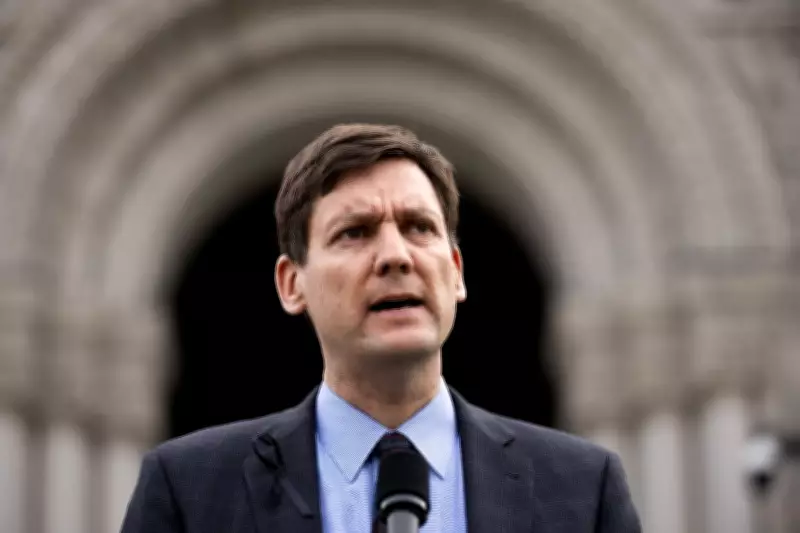
British Columbia Premier David Eby has defended the province's decision to keep U.S. liquor off store shelves, citing public outrage over tariffs imposed by the United States. Speaking at a press conference in Victoria, Eby emphasized that the measure reflects the sentiments of British Columbians who are irate over the trade dispute.
Economic and Political Implications
The ban, which targets American alcoholic beverages, has sparked debate about its economic impact on local businesses and consumers. Eby argued that the move is a necessary response to unfair trade practices, though critics warn it could lead to higher prices and reduced choices for consumers. The premier's stance aligns with broader provincial efforts to push back against U.S. tariffs, which have affected key industries in B.C., including forestry and agriculture.
Public Reaction and Industry Response
Reaction from the public has been mixed, with some supporting the ban as a show of solidarity, while others express frustration over limited options. Liquor store owners report a shift in sales toward Canadian and international alternatives, but some worry about long-term effects on trade relations. Industry groups have called for dialogue to resolve the dispute without harming consumers.

The ban remains in effect as negotiations continue, with Eby signaling that the province will not back down until tariffs are addressed. This development adds to ongoing tensions between Canada and the U.S., highlighting the complexities of cross-border trade in a politically charged environment.