The Canadian commercial real estate sector is experiencing a surprising resurgence, driven by three unexpected factors: remote work, racquet sports, and artificial intelligence. According to a recent report by Re/Max Canada, these elements are fueling a recovery from the pandemic-induced downturn.
Office Space Recovery
National office vacancy rates peaked at 14.9% in mid-2025 but have since declined to 13.6%, as reported by Colliers Macaulay Nicolls Inc. The demand is particularly strong for triple-A, amenity-rich spaces in Toronto, Vancouver, and Ottawa. In contrast, older buildings in cities like Calgary, London, Ont., and Winnipeg face pressure to convert to other uses.
Damon Conrad, vice-president of Re/Max Canada Commercial, noted in a statement: "While uncertainty shaped much of 2025, we're now seeing a clear shift in investor behaviour. Capital remains cautious and focused on preservation, but as financial conditions stabilize, deferred demand is beginning to re-emerge."

Impact of Remote Work
The COVID-19 pandemic accelerated remote work trends, which have since evolved into hybrid arrangements. Return-to-office policies vary by market and industry, but their cumulative effect is boosting downtown leasing activity. The Re/Max report states, "Leasing activity has generally become more concentrated in downtown nodes."
Retail and Recreational Spaces
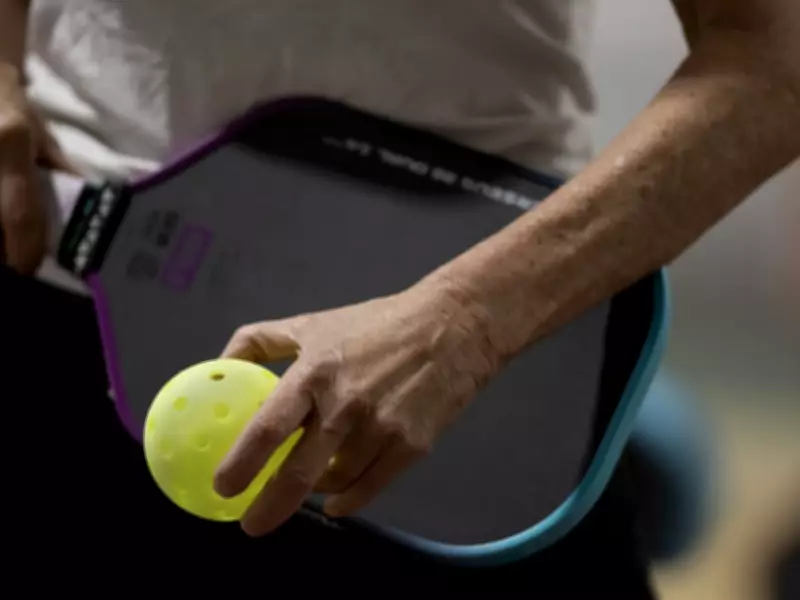
Retail space is showing the strongest demand, with low grocery vacancy rates increasing competition for available options. Additionally, the rising popularity of racquet sports like pickleball and padel, along with cricket and rock climbing, is reshaping the commercial landscape. The report highlights, "An uptick in demand for recreational space has also impacted the Canadian commercial real estate market."
Churches are also showing interest in industrial properties where zoning permits, as steel-frame and concrete-flooring warehouses are conducive to retrofitting for recreational use.
AI Data Centers
In a notable development, stalled condo construction projects are increasingly being converted into industrial facilities to meet the surging demand for AI data centers. This shift reflects the growing influence of artificial intelligence on commercial real estate.
Conrad added, "Investors are only prepared to sit on the sidelines for so long. As financing conditions ease and pricing expectations align, capital is re-entering the market with greater conviction. Transaction activity is beginning to build, and while recovery remains uneven, momentum is clearly shifting toward a more active and disciplined investment environment."
The Re/Max report underscores that these three factors—remote work, racquet sports, and AI—are not just trends but fundamental drivers reshaping Canada's commercial real estate market.