

Manitoba Restaurant Owners Voice Frustration Over Exclusion from Grocery Tax Cut
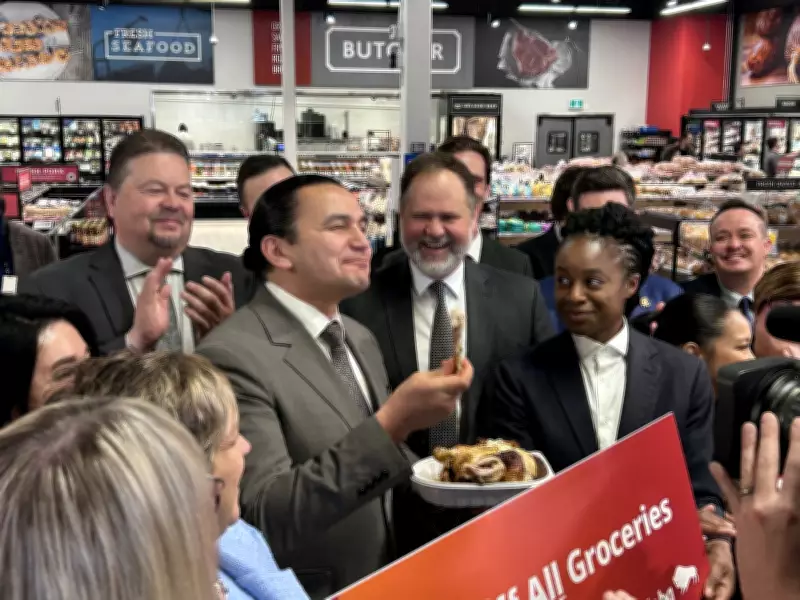
Restaurant owners across Manitoba are expressing significant frustration and confusion following the provincial government's announcement of a plan to remove the provincial sales tax from all food purchased in grocery stores. The move, promoted by Premier Wab Kinew at a recent news conference inside a Winnipeg grocery store, has sparked criticism from the food service industry, which feels unfairly excluded from the tax relief measure.
"Doesn't Make Any Sense"
Many restaurant proprietors argue that the exclusion creates an uneven playing field, putting them at a competitive disadvantage against grocery stores. "It simply doesn't make any sense," said one Winnipeg-based restaurant owner who wished to remain anonymous. "We are in the business of preparing and serving food, just like the prepared food sections in grocery stores. Yet, our customers will still pay the full sales tax, while grocery shoppers get a break. This policy overlooks the essential role restaurants play in our communities and economy."
The frustration stems from the perception that the tax cut, while aimed at improving affordability for consumers, inadvertently penalizes one segment of the food industry. Restaurant owners note that they face similar rising costs for ingredients, labor, and utilities, yet are not receiving the same tax relief to help manage these pressures or potentially lower prices for their patrons.

Premier's Promotion and Industry Backlash
Premier Kinew was seen eating rotisserie chicken during the news conference, symbolically highlighting the types of prepared foods that would become tax-free in grocery settings. However, this visual has only amplified the restaurant industry's concerns. They point out that identical items, such as rotisserie chicken, sold in a restaurant would still be subject to the provincial sales tax, creating a direct price disparity for consumers.
Industry representatives are calling for clarification and reconsideration. They emphasize that restaurants are significant employers and contributors to local tourism and culture. Excluding them from the tax cut, they argue, could have unintended consequences, including reduced customer traffic and heightened financial strain on small businesses already recovering from previous economic challenges.
Broader Economic Implications
The situation raises questions about the broader economic strategy behind the tax policy. While the government's intention to make grocery food more affordable is clear, the selective application has led to accusations of creating policy gaps. Some restaurant owners suggest that if the goal is truly to support food affordability, the tax removal should be extended to all prepared food purchases, regardless of venue, to ensure fairness and support all sectors of the food industry.
As the policy moves forward, restaurant owners are urging the provincial government to engage in dialogue with industry stakeholders. They hope for a revised approach that recognizes the integral role of restaurants in Manitoba's social and economic fabric, potentially through an expanded tax cut or alternative support measures to level the competitive field.
The coming months will likely see continued advocacy from the restaurant sector as they seek equitable treatment under the new tax framework, highlighting the ongoing tension between consumer affordability initiatives and business competitiveness in the province's evolving economic landscape.






