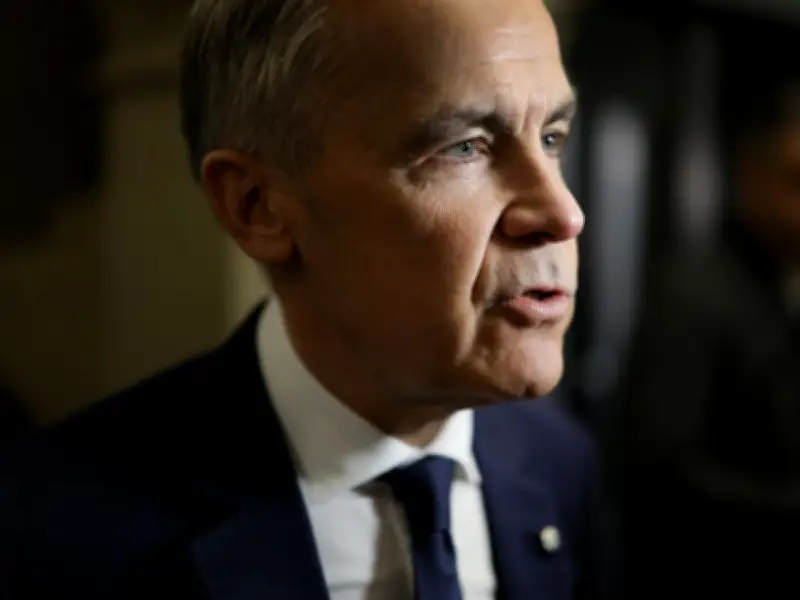
As Bank of Canada governor during and after the 2000s financial crisis, Mark Carney helped perfect the central banking tactic of forward guidance—essentially telling people what you plan to do in given circumstances. To be effective, forward guidance must be clear, concise, and credible. Markets and the public must believe you will act as you say. But when government actions contradict guidance, policy uncertainty and market unpredictability result. Forward guidance places a high premium on consistent follow-through.
From Central Banker to Prime Minister
Since entering politics, Mark Carney has made several bold policy commitments. However, gaps are emerging between early statements of intent and subsequent actions. Candidate Carney presented himself as uniquely qualified to deal with President Donald Trump. Yet more than a year into Trump-whispering, Canada faces punishing sectoral tariffs, little progress on CUSMA renegotiation, and almost no public clarity about trade and security strategy with the U.S.
Confusing Communications
Confusion is compounded by Carney's communications journey: from his Davos speech on ruptures in the postwar global fabric, to an April YouTube address signaling that many former strengths based on close U.S. ties have become weaknesses, to a recent New York speech proposing a fortress North America and arguing that a strong Canada will help make America great again.

Fiscal Concerns
Carney promised a safe pair of fiscal hands and committed to spending less to invest more. Yet the April economic statement shows spending rising rapidly, with all new revenue going to new initiatives and no binding fiscal anchors to sustain market confidence. The structural deficit is growing. Federal net debt is projected to hit $1.6 trillion by decade's end, with debt service costs eating up more tax dollars. As Hemingway wrote, bankruptcy comes gradually, then suddenly.
Economic Growth vs. Structural Weaknesses
The prime minister talks about Canada becoming the fastest-growing G7 country while cautioning about anemic productivity, excessive regulation, weak corporate investment, internal trade barriers, and Trump's tariffs. Tackling these structural weaknesses urgently and decisively would create conditions for strong, sustained growth and rising per capita incomes.