

Apple's 50-Year Odyssey: A Legacy of Innovation and Resilience
Fifty years after its founding, Apple Inc. stands as a monumental force, having fundamentally transformed not only the technology landscape but also pop culture and the very narrative of corporate comebacks. The company's journey, marked by visionary leaps and near-collapses, serves as a defining case study in modern business history.
From Garage Startup to Global Icon
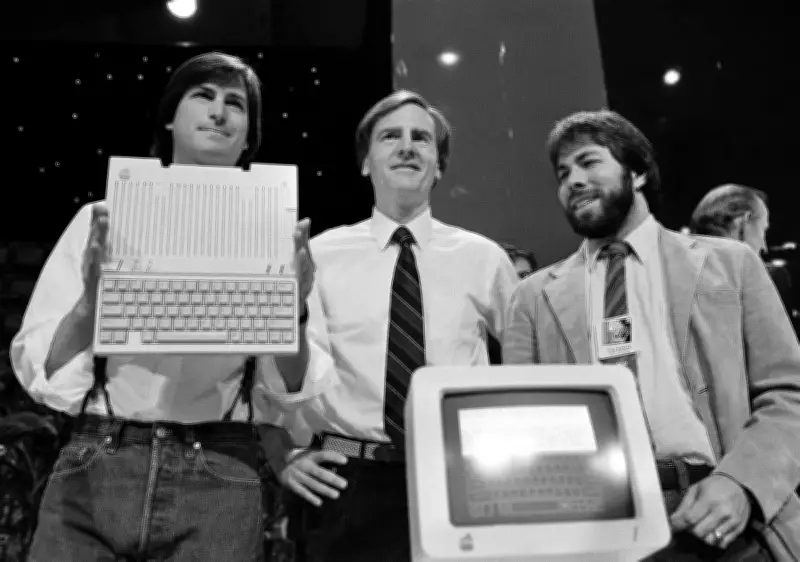
The story began in 1976 when Steve Jobs and Steve Wozniak launched Apple Computer from a California garage. Their early creations, like the Apple II, brought computing power to homes and schools, democratizing technology in unprecedented ways. A pivotal moment came in 1984 with the unveiling of the Apple IIc, a compact personal computer that symbolized the company's push for sleek, user-friendly design. This ethos would become a cornerstone of the Apple brand.
However, the path was not always smooth. The late 1980s and 1990s saw Apple struggle with internal conflicts, leadership changes, and declining market share, bringing it perilously close to irrelevance. This period tested the company's resilience and set the stage for one of the most remarkable turnarounds in corporate history.

The Jobs Era and the Digital Revolution
The return of co-founder Steve Jobs in 1997 marked the beginning of a renaissance. Under his leadership, Apple shifted from merely making computers to creating integrated ecosystems of hardware, software, and services. The launch of the iMac in 1998 revived the company's fortunes with its bold design. This was followed by a series of industry-redefining products: the iPod (2001), which revolutionized music consumption; the iPhone (2007), which created the modern smartphone market; and the iPad (2010), which spawned the tablet category.
Each product launch was an event, blending technological innovation with masterful marketing. Apple stores became global landmarks, and its brand cultivated a loyal, almost cult-like following. The company's influence extended far beyond gadgets, shaping trends in music, media, app development, and retail.
A Cultural and Economic Juggernaut
Today, Apple is among the world's most valuable companies, a testament to its enduring appeal and operational prowess. Its success story is frequently cited in discussions about innovation, design thinking, and brand loyalty. The narrative of falling from grace and achieving a historic comeback continues to inspire entrepreneurs and business leaders worldwide.
As Apple enters its next half-century, it faces new challenges in areas like artificial intelligence, augmented reality, and regulatory scrutiny. Yet, its first fifty years have proven its capacity for reinvention. Apple's odyssey is more than a business chronicle; it is a lasting imprint on how we live, work, and connect in the digital age.






