

Reuters Exclusive: UBS Facilitated Ghislaine Maxwell's Hideout Purchase
A Reuters exclusive investigation has uncovered that Swiss banking giant UBS played a key role in helping Ghislaine Maxwell, the convicted accomplice of financier Jeffrey Epstein, purchase a secluded property intended as a hideout. This revelation stems from documents recently released by the U.S. Department of Justice as part of the ongoing Epstein files disclosure.
Documentary Evidence Unveils Financial Transactions
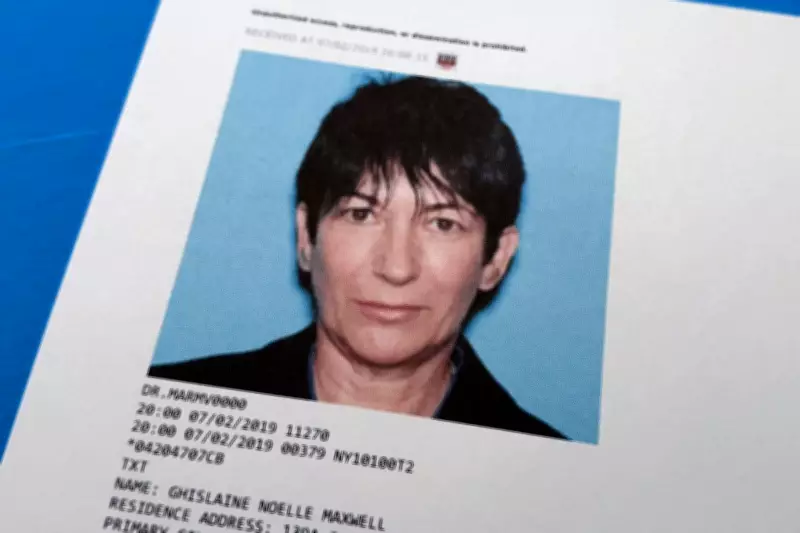
The documents, photographed on February 10, 2026, and included in the Justice Department's release, provide concrete evidence of UBS's involvement in the transaction. They detail how the bank assisted Maxwell in acquiring the property, referred to as 'Tucked Away,' during 2019. This period coincides with Maxwell's efforts to evade law enforcement scrutiny following Epstein's arrest and subsequent death in custody.
The findings raise serious questions about UBS's due diligence processes and compliance with anti-money laundering regulations. Financial institutions are typically required to monitor and report suspicious activities, especially involving high-risk clients. Maxwell's association with Epstein, who faced charges of sex trafficking minors, should have triggered enhanced scrutiny.

Context of Maxwell's Legal Troubles
Ghislaine Maxwell was convicted in December 2021 on charges including sex trafficking and conspiracy, related to her role in Epstein's abuse scheme. She is currently serving a 20-year prison sentence. The Epstein case has drawn global attention to the networks that enabled his crimes, with ongoing investigations into accomplices and enablers.
The newly released documents suggest that Maxwell sought to secure a remote location to avoid detection as legal pressures mounted. The property's acquisition, facilitated by UBS, highlights the challenges authorities face in tracking the financial movements of individuals involved in illicit activities.
Broader Implications for Banking Oversight
This incident underscores persistent concerns about the banking sector's role in facilitating transactions for individuals with questionable backgrounds. It echoes previous scandals where major banks faced penalties for failing to prevent money laundering or for servicing clients engaged in criminal enterprises.
Regulators and lawmakers may now scrutinize UBS's actions more closely, potentially leading to investigations or reforms aimed at strengthening financial oversight. The case also emphasizes the importance of transparency in banking operations, particularly when dealing with clients linked to high-profile criminal cases.
As the Department of Justice continues to release documents from the Epstein files, further details may emerge about the extent of institutional involvement in supporting Maxwell and other associates. This report adds a critical financial dimension to the ongoing saga, illustrating how banking services can be exploited to aid individuals attempting to evade justice.






