

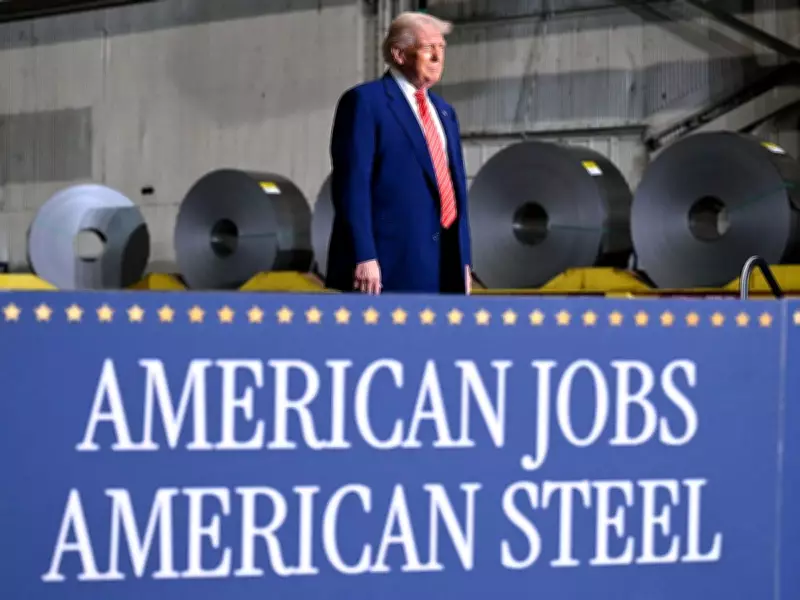
Trump Administration Moves to Soften Steel and Aluminum Tariffs as Economic Pressure Mounts
President Donald Trump is preparing to scale back certain tariffs on steel and aluminum goods entering the United States, according to sources familiar with the matter. This strategic shift comes as the administration grapples with persistent voter concerns about affordability that have negatively impacted approval ratings in the lead-up to November's midterm elections.
Background of the Tariff Implementation
The U.S. president initially imposed tariffs of up to 50 percent on steel and aluminum imports last summer, subsequently expanding these taxes to include various products manufactured from these metals, such as washing machines and ovens. This aggressive trade policy has elevated U.S. duties to their highest levels since before the Second World War, creating significant economic ripple effects across multiple sectors.
Administration's Review and Planned Changes
Currently, the administration is conducting a comprehensive review of the products affected by these levies. The planned adjustments include:

- Exempting specific items from the existing tariff lists
- Halting further expansion of the product categories subject to tariffs
- Launching more targeted national security investigations into particular goods
Trade officials within the Commerce Department and U.S. Trade Representative's office have reportedly concluded that the tariffs are adversely affecting consumers by increasing prices for everyday items, including pie tins and food and beverage containers.
Political and Economic Context
The decision to soften these tariffs, which were among the earliest implemented during Trump's second term, coincides with mounting evidence that American consumers are bearing the financial burden of these policies. This reality contradicts the president's initial assertion that foreign companies would absorb the costs.
Recent polling data reveals significant public discontent with economic conditions. A Pew Research Center survey published this month indicates that more than 70 percent of U.S. adults rate economic conditions as fair or poor, with approximately 52 percent believing Trump's economic policies have worsened the situation.
Previous Tariff Adjustments and Political Backlash
The administration has already implemented several modifications to its tariff strategy in response to public pressure. These include:
- Providing exemptions for popular food products to help mitigate grocery price inflation
- Establishing a temporary truce in the trade conflict with China following retaliatory tariffs from Beijing
Trump's trade policies have faced substantial political opposition, including from within his own party. In a significant development, Republican lawmakers joined Democrats in the U.S. House of Representatives to vote against tariffs on Canada, delivering a notable rebuke to the president's approach toward America's second-largest trading partner. Although Trump is expected to veto this legislation, the bipartisan opposition highlights growing concerns about the tariffs' impact on small businesses and consumers.
Electoral Implications and Lobbying Dynamics
Several Republican legislators facing challenging reelection battles in November have expressed apprehension about voter anxiety regarding tariff consequences. The administration's latest move aims to bring greater clarity to what has become an increasingly complex lobbying environment in Washington since the tariffs were first imposed.
Previously, the administration permitted U.S. businesses to advocate for tariffs on steel and aluminum products manufactured by foreign competitors through what was termed an "inclusion process." The planned tariff adjustments represent an attempt to balance protectionist trade policies with economic realities as the political landscape intensifies ahead of crucial midterm elections.






