

In the high-stakes world of investing, even the most intelligent and disciplined individuals can find themselves making reckless decisions when emotions override logic. According to financial expert Martin Pelletier, two powerful psychological forces—sunk costs and ego—often transform prudent investors into gamblers, leading to potentially devastating outcomes.
The Olympic Parallel: When Passion Overrides Prudence
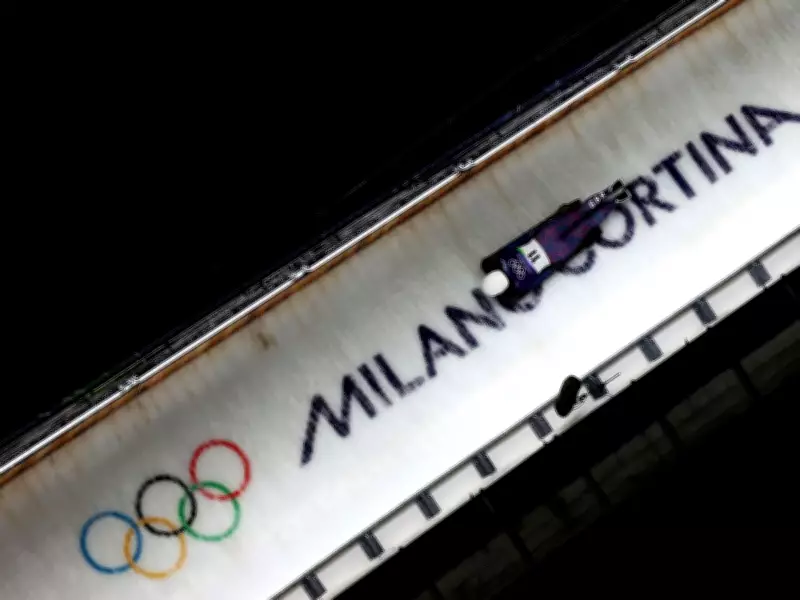
Consider the compelling example of elite athletes at the Olympic Games. These competitors dedicate their entire lives to a single moment, sacrificing time, comfort, opportunities, and sometimes their physical well-being for a chance to compete on the world's grandest stage. For many, simply qualifying represents a monumental victory, regardless of whether they ultimately reach the podium.
This emotional investment creates a powerful psychological trap. Pelletier points to legendary skier Lindsey Vonn, who chose to compete in her downhill event despite having ruptured her ACL just weeks earlier. The result was a catastrophic crash and a serious leg fracture. After years of relentless training and preparation, with the possibility that this could be her final Olympic appearance, walking away felt unthinkable with the race so imminent.

"Yet if we strip away the emotion of the Olympics," Pelletier observes, "we have to ask: would she have taken the same risk if it were any other event?"
The Everest Syndrome: The Peril of Being 'So Close'
This phenomenon extends far beyond sports. Pelletier draws a chilling parallel to the countless climbers who have perished on Mount Everest with the summit finally within sight. Despite approaching storms, dwindling daylight, or explicit warnings from experienced guides, they press forward. Why? Because the closer we approach a long-pursued goal, the more psychologically difficult it becomes to turn back—even when our rational mind recognizes it as the correct choice.
"When we've invested years of effort, enormous resources, or pieces of our identity into something," Pelletier explains, "stepping away doesn't feel like strategy—it feels like outright betrayal."
The Sunk-Cost Fallacy in Investing
In financial markets, this manifests as the sunk-cost fallacy: the irrational belief that because we've already invested heavily in time, money, or reputation, we must continue to justify what we've already spent. Markets operate with complete indifference to our past efforts; they respond only to present value and future risk. Yet emotionally, we behave as though quitting would render our previous sacrifices meaningless.
This psychological trap leads investors to double down at precisely the wrong moments. Common rationalizations include:
- "I can't sell now—it'll bounce back."
- "I've held it this long, I might as well keep going."
- "I can't be wrong... not after everything I put into this."
Pelletier suggests a simple but powerful test to break this spell: If this were a new investment opportunity today, examined with fresh eyes, would I choose to buy it?
The Seduction of Imminent Victory
Compounding this problem is what Pelletier describes as "the seduction of being 'so close' to a big win." This represents FOMO (fear of missing out) in its most concentrated form. When investors believe they stand on the brink of a massive payoff—whether during the AI frenzy of 2026, the crypto boom of 2021, the cannabis bubble of 2018, or the tech stock mania of 1999—the anticipated reward begins to feel almost inevitable.
Herd behavior intensifies this dangerous dynamic. Seeing others apparently making easy money creates a false sense of security just as actual risk peaks. The combination of emotional attachment to past investments and ego-driven refusal to admit error creates a perfect storm for financial disaster.
True investment skill, Pelletier concludes, lies not merely in identifying opportunities but in cultivating the wisdom to walk away when the cost of continuing becomes too high. This requires separating emotional attachment from rational analysis and recognizing that sometimes the most strategic move is to cut losses rather than compound them.






