

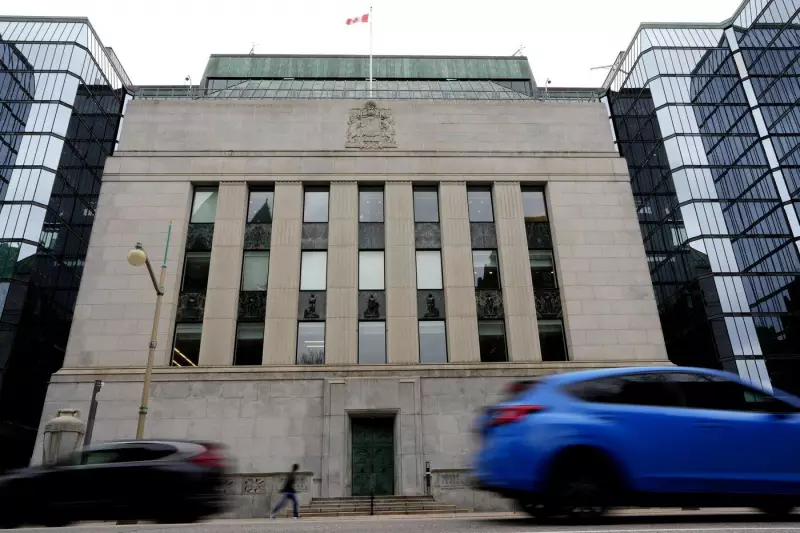
Major central banks around the world are signaling a decisive shift towards a more aggressive monetary policy stance, with inflation anxieties driving a collective tilt towards interest rate hikes. This pivotal change, noted on December 18, 2025, places institutions like the Bank of Canada at the forefront of a global effort to rein in persistent price pressures.
The Global Pivot to Policy Tightening
The era of ultra-low interest rates and accommodative policy appears to be drawing to a close. Financial markets and analysts are now closely monitoring a synchronized move by leading central banks to combat inflation, which has proven more stubborn than many initially anticipated. This marks a significant departure from the supportive measures that characterized the post-pandemic recovery period.
While the specific timing and magnitude of rate increases will vary by country, the overarching direction is clear: a move towards hiking mode. This coordinated, though not uniform, shift underscores the widespread nature of the inflation challenge, which is being fueled by complex factors including supply chain disruptions, robust consumer demand, and geopolitical tensions affecting energy and food prices.

Implications for the Bank of Canada and Canadian Economy
For Canadians, the actions of the Bank of Canada are of paramount importance. As a key player among these major institutions, the BoC's policy decisions directly influence mortgage rates, borrowing costs for businesses, and the overall strength of the Canadian dollar. The bank's governing council is now widely expected to prepare the market for a series of incremental rate hikes in the coming months.
This impending tightening cycle will have ripple effects across the economy. Variable-rate mortgage holders will feel an immediate impact on their monthly payments, while businesses may face higher costs for financing expansion or operations. Conversely, savers could finally see improved returns on interest-bearing accounts. The primary goal, however, is to cool demand and anchor inflation expectations, thereby preserving purchasing power and economic stability in the long term.
Navigating the Path Forward
The delicate task for central bankers, including those at the Bank of Canada, is to engineer a soft landing—raising rates enough to curb inflation without triggering a sharp economic downturn or a surge in unemployment. This requires careful communication and data-dependent adjustments.
Investors and policymakers will be scrutinizing every piece of economic data, from consumer price index reports to employment figures, to gauge the appropriate pace of tightening. The risk of moving too slowly is entrenched inflation, while moving too aggressively could stifle economic growth. The announced shift on December 18, 2025, confirms that controlling inflation is now the top priority, setting the stage for a new chapter in global monetary policy with significant consequences for markets and households alike.






