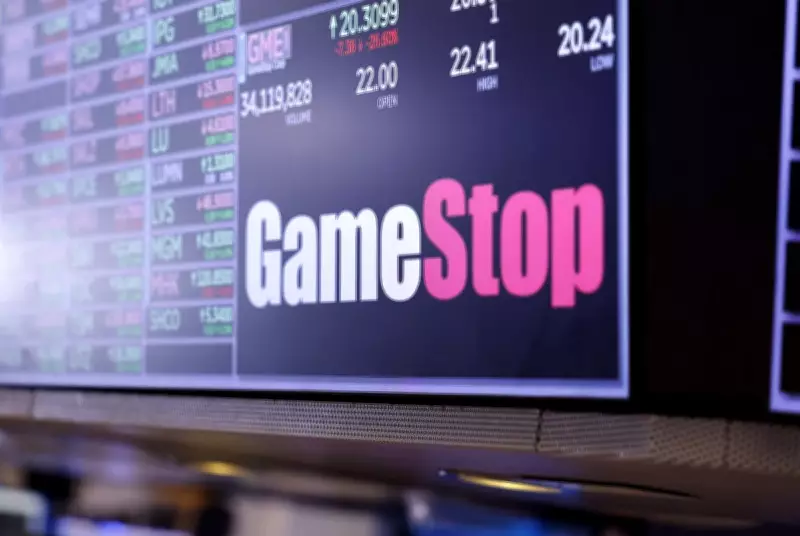
Ryan Cohen, the Canadian entrepreneur turned activist investor, is making headlines again with a bold US$56 billion offer for eBay Inc., a pioneer in online used goods sales. The bid targets a company nearly four times the size of Cohen's current venture, GameStop Corp., and marks his latest attempt to reshape struggling businesses.
Cohen's Track Record
Cohen co-founded Chewy in 2011, transforming it into the leading online pet retailer before selling to PetSmart for US$3.35 billion in 2017. Without a college degree or what he calls a "real job," Cohen bases his strategy on ownership mentality, believing managers should have stakes in the companies they run. His push to re-shape GameStop in Amazon's image has yielded mixed results since his initial investment in 2020, which ignited meme-stock volatility.
The eBay Offer
GameStop has offered US$125 per share in cash and stock for eBay, a roughly 20% premium to its Friday close. The company, which holds about a 5% stake in eBay, secured a non-binding "highly confident letter" from TD Bank for US$20 billion in debt financing. Cohen's firm pledges to find US$2 billion in annual savings within 12 months of closing. However, eBay stated it had no prior discussions with GameStop, and analysts express skepticism about the proposal's feasibility.

Cohen's Compensation
Cohen took no salary as GameStop CEO in 2023 but received performance-based stock options that could yield US$35 billion if the company achieves a US$100 billion market cap and US$10 billion in EBITDA. "I don't benefit unless shareholders benefit," Cohen told CNBC, defending the alignment of his compensation with shareholder interests. The offer for eBay, if successful, could significantly boost GameStop's valuation and Cohen's potential payout.
Market Reaction
GameStop shares fell the most in nearly a year on Monday following the announcement, while eBay shares rose about 5%. Analysts like Joost van Dreunen of Aldora cite "skepticism" due to red flags in the offer's delivery and financial math. Cohen first invested in GameStop in 2020, gaining cult status by criticizing its slow e-commerce adoption and joining the board in 2021, when the company's market value was just over US$1 billion.