

Canada's Merchandise Trade Gap Expands to $2.2 Billion in November
Statistics Canada has released new data indicating that the country's merchandise trade deficit widened to $2.2 billion in November 2025. This figure underscores persistent challenges in Canada's trade balance, as imports continue to outpace exports in key sectors.
Key Factors Behind the Deficit
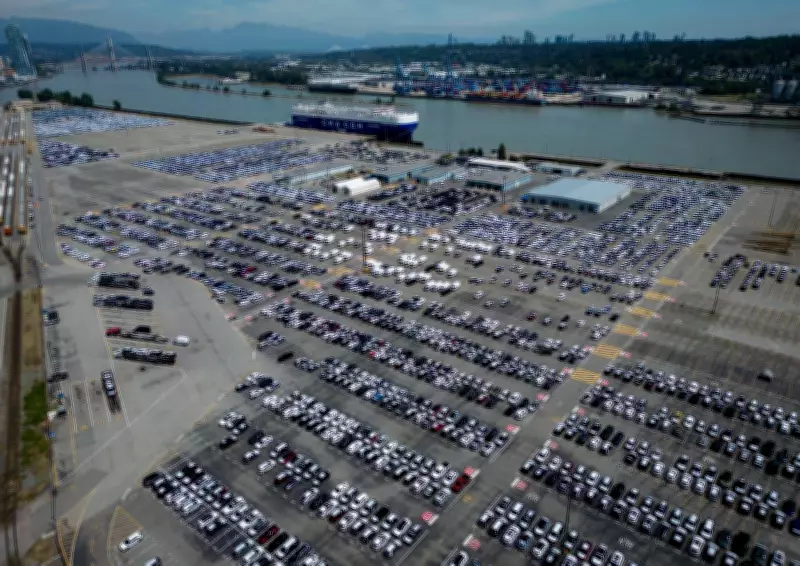
The deficit was primarily driven by a notable increase in imports, particularly in the automotive sector. For instance, the Port of Vancouver's Annacis Auto Terminal has seen heightened activity, with vessels like the CMA CGM Silverstone car carrier facilitating the influx of new vehicles. This surge in imported goods, including consumer products and machinery, contributed significantly to the trade imbalance.
Exports, while showing some resilience in areas such as energy and agricultural products, were insufficient to offset the rise in imports. The data reflects broader economic trends, including consumer demand and supply chain dynamics that have influenced trade flows in recent months.

Economic Implications and Context
This $2.2 billion deficit marks a continuation of trade challenges faced by Canada throughout 2025. Analysts point to factors such as global economic uncertainty, currency fluctuations, and domestic consumption patterns as contributors to the widening gap. The trade deficit can impact Canada's gross domestic product (GDP) and may influence monetary policy decisions by the Bank of Canada in the coming quarters.
Compared to previous months, the November deficit represents a slight increase, suggesting that trade imbalances are becoming more entrenched. Stakeholders in industries like manufacturing and retail are closely monitoring these trends, as they affect pricing, employment, and investment strategies across the country.
Looking Ahead
As Canada navigates these trade dynamics, experts emphasize the importance of diversifying export markets and enhancing domestic production capabilities. The ongoing trade negotiations with international partners, including the United States, could play a crucial role in shaping future trade outcomes. Statistics Canada will continue to provide updates, with the next report expected to shed light on December's performance and year-end trends.
In summary, the November merchandise trade deficit of $2.2 billion highlights the need for strategic economic adjustments to bolster Canada's trade position in a competitive global landscape.






