

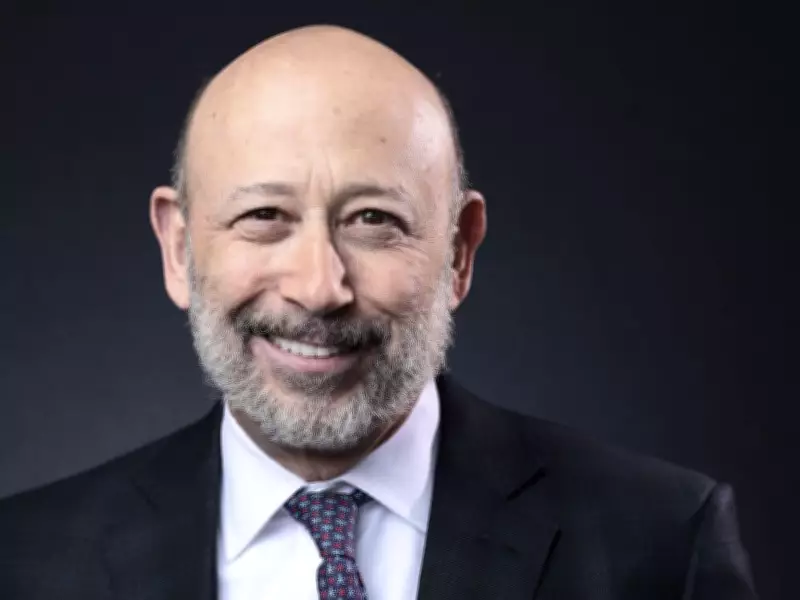
Lloyd Blankfein Issues Stark Warning on Financial Crisis Complacency
Lloyd Blankfein, the former chairman and CEO of Goldman Sachs Group Inc., has delivered a sobering message to the financial industry: plan as though another 2008-style meltdown is imminent. In a recent interview with the Financial Times conducted at his Upper West Side apartment in New York, Blankfein emphasized that widespread complacency about economic risks has developed in the years since the last major financial crisis.
Contingency Planning and Market Realism
Blankfein, who led Goldman Sachs through the turbulent 2008 financial crisis, stressed that effective leadership in finance revolves around rigorous contingency planning and unflinching honesty about asset valuations. "I would be very aggressively marking to market, making people sell certain things that even if they're liquid, try just to make sure you could," he told the FT. This approach, he argued, is essential for navigating potential economic disruptions.
The 71-year-old billionaire pointed out that the prolonged period without a major financial "shakeout" since 2008 has led to dangerous levels of complacency. "The longer it takes between reckonings, there is a potential for a more severe reckoning," Blankfein warned. "I'm not saying it's going to happen tomorrow or what direction it comes from. But when something goes off you're going to find all the assets that have been carried at prices that can't be realised in the market."

Current Economic Concerns
Blankfein's comments arrive amid growing concerns about several economic factors:
- The disruptive potential of artificial intelligence on traditional economic structures
- Questionable underwriting standards at many non-bank lenders that have proliferated over the past two decades
- A general lack of preparedness for sudden market corrections
He noted that people "aren't as scared" as they were following the 2008 crisis and have consequently "got more complacent" about financial risks.
From Brooklyn Housing to Wall Street Leadership
Eight years after stepping down from Goldman Sachs, Blankfein is releasing a memoir this month that chronicles his remarkable journey from Brooklyn public housing to leading one of the world's most influential financial institutions. With a net worth estimated by Forbes at approximately $1.7 billion, Blankfein's story represents an extraordinary American success narrative.
Blankfein revealed that he initially began writing his life story for his three children, who grew up surrounded by privileges unimaginable to his younger self. After completing about a third of the manuscript, he paused for several years before resuming the project with a broader purpose: to demystify Goldman Sachs and demonstrate that pathways to leadership positions are more accessible than many realize.
Demystifying Wall Street Success
In his characteristic self-deprecating style, Blankfein downplays the notion that financial leaders possess extraordinary intelligence. "I've met a few people in my life where they were so smart I couldn't even figure out how they saw the world," he acknowledged, naming Elon Musk and Warren Buffett as examples. "But most of the time, people aren't that great. They're just lucky, in the right place at the right time. Worked harder. And maybe even smarter but not smarter of an order of magnitude. Just a little smarter."
Blankfein's educational and professional journey includes:
- Entering Harvard University at age 16
- Beginning his career as a tax lawyer before transitioning to finance
- Initially being rejected by Goldman Sachs before joining through the back door as a commodities salesman at J Aron, which Goldman acquired in 1981
Reflections on Controversial Comments
His memoir, titled Streetwise, incorporates the biting humor for which Blankfein became known on Wall Street. He addresses his controversial 2009 comment to the Sunday Times that he was "off doing God's work" as a "Lloydian slip" - a quip that has remained attached to both Blankfein and Goldman Sachs ever since.

Blankfein's warning comes at a critical juncture for global finance, as economic uncertainties continue to mount. His message underscores the importance of vigilance, realistic asset valuation, and comprehensive contingency planning in an industry that has grown increasingly comfortable during years of relative stability.





