Bank of Canada Governor Engages in High-Level Talks on AI Security Threats
Bank of Canada Governor Tiff Macklem has disclosed that he has been in direct communication with United States Federal Reserve Chairman Jerome Powell regarding the potential dangers associated with Anthropic PBC's advanced artificial intelligence model, known as Mythos. This AI system possesses the capability to significantly accelerate and refine cyber attacks by rapidly identifying and exploiting security weaknesses, raising alarms about its implications for financial stability.
International Coordination on Emerging Technological Risks
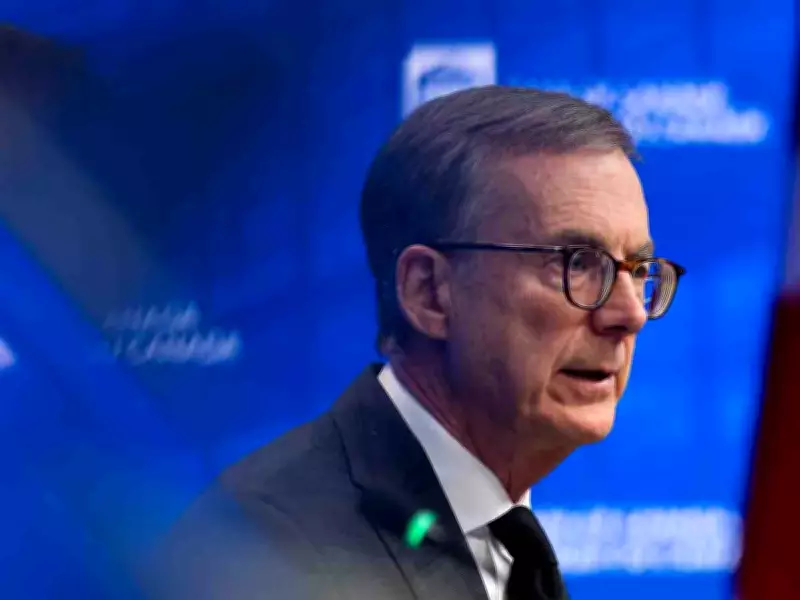
Macklem made these remarks during a news conference in Washington, where he was participating in International Monetary Fund meetings. He emphasized that these discussions are part of a broader series of high-level exchanges between Canadian and American officials on this pressing issue. "The Minister of Finance has been talking to Secretary of the Treasury in the U.S. about the U.S. approach," Macklem stated. "I also spoke to Chairman Powell, and I expect those conversations will be ongoing in terms of the substance of the issue."
The governor highlighted the urgency of addressing these technological challenges, noting that the world is moving quickly and that regulatory bodies must keep pace. He confirmed that he is actively discussing both the specific Mythos model and artificial intelligence in general with Finance Minister François-Philippe Champagne.

Domestic Response and Institutional Preparedness
As Canada navigates the complex landscape of cybersecurity and national security threats posed by new technologies, Macklem pointed to the role of the Canadian Financial Sector Resiliency Group. This group, chaired by the Bank of Canada, has convened twice this month, with its most recent meeting occurring just a few days ago. Its membership includes key stakeholders such as the Office of the Superintendent of Financial Institutions, the Finance Department, the Canadian Centre for Cyber Security, and technology experts from major financial institutions.
Macklem explained that this group was specifically designed to address risks emerging from novel technologies. However, he cautioned that it is still too early to determine exactly how the threat posed by Mythos will be managed. "It's early days, and I don't think anybody knows the full implications at this point," he remarked. "The good thing about this group is they are the experts and there are confidentiality agreements which allow sharing of information to the people who need it."
Central Bank's Role in Safeguarding Financial Systems
The Bank of Canada's primary responsibilities in this context include protecting the central bank itself from any adverse effects of artificial intelligence and ensuring the integrity of Canada's payments system. Macklem acknowledged the broader risks to the financial system and the bank's central position within the financial sector resiliency group. "It's critical that our systems are protected," he asserted.
Sources within Canada's financial sector indicate that government officials are advocating for the Bank of Canada, which oversees the payments system, and OSFI, which regulates the banks, to take a leading role in formulating a response to these AI-related threats.
Uncertainty Surrounding Access to the Mythos Model
When questioned about whether any Canadian companies or institutions have been granted a preview of the Mythos AI model—a privilege extended to some U.S. entities like JPMorgan Chase & Co.—Macklem stated that he was not in a position to provide specific details. This lack of clarity underscores the ongoing challenges in managing access to potentially disruptive technologies while balancing security concerns with innovation.
The discussions between Macklem and Powell, along with the activation of the Canadian Financial Sector Resiliency Group, reflect a proactive approach to understanding and mitigating the risks associated with advanced AI systems. As financial authorities worldwide grapple with the rapid evolution of technology, these collaborative efforts aim to fortify defenses against cyber threats and maintain stability in the global financial ecosystem.