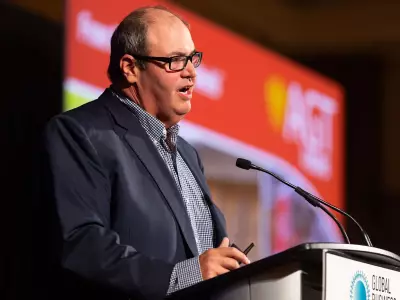
Something felt different at this year's Food, Fuel and Fertilizer Global Summit. We've hosted enough of these gatherings to know when the mood in the room shifts, and this year, it did. The conversation has been moving for a while — from environmental security to energy security — but what struck me this time was how clearly it has landed on something even bigger: national security. The state of the world has changed how countries think about where their essentials come from, and that changes everything about how the world looks at us.
Saskatchewan is right at the centre of this conversation. From agriculture to uranium to oil and gas, we are feeding populations, powering economies and helping maintain the kind of everyday stability that most people never think about until it's gone. There are billions of dollars in projects either underway or on the horizon here and the interest is real. We are hearing it directly from trading partners, investors and governments who are rethinking their supply relationships in real time. The urgency in those conversations is unlike anything we have seen before.
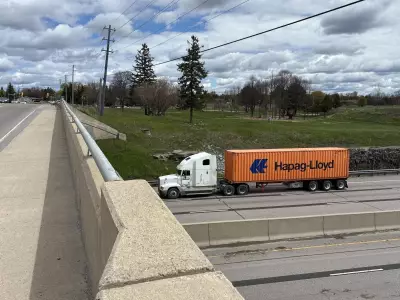
The challenge is whether we can move what we produce. This is not a new problem, but it is becoming harder to ignore and it materializes in ways like rail bottlenecks, port congestion, limited anchorage capacity and trade documentation that still relies on paper travelling across continents by courier. The infrastructure we rely on was built for a different era, and investment is accelerating faster than the systems supporting it. When one part of the chain backs up — which it often does — everything behind it backs up too. It's a slippery slope because the cost of that inefficiency not only results in missed opportunities and dollars, but also in reputation that takes years to rebuild once tarnished.

However, what gives me optimism is what I saw across the room at this summit. Agriculture, energy and mining are not competing for attention the way they used to. There is a growing understanding that these industries succeed together, especially when it comes to shared corridors and market access. I spoke with leaders from all three sectors who are actively looking for ways to collaborate, whether on infrastructure priorities or on how to present a unified case to the government. This is such an encouraging change.
This kind of alignment is so critical and opens the door for government to think about infrastructure as a coordinated economic strategy rather than a checklist of individual projects. Regulatory processes like the one under Bill C-69 are still causing frustration, not because industry opposes strategic review, but because the timelines and approval criteria remain difficult to understand and navigate. Clarity and consistency would go a long way, and so would a system that can move at a pace the opportunity demands.
By Prabha Ramaswamy, CEO of the Saskatchewan Chamber of Commerce.