Windsor-Essex has officially adopted a new affordable housing strategy designed to tackle the region's growing housing crisis. The plan, approved by local officials, sets ambitious targets for creating new affordable units over the next decade, leveraging partnerships with developers and non-profits.
Key Goals of the Strategy
The strategy aims to add 2,000 affordable housing units by 2030, with a focus on mixed-income developments and supportive housing for vulnerable populations. According to the report, the region currently faces a shortage of over 5,000 affordable units, with waitlists for subsidized housing stretching years.
Officials emphasized the need for collaboration across all levels of government. “This is not just a municipal issue; it requires provincial and federal support to succeed,” said a local housing advocate. The strategy includes zoning changes to allow higher density near transit corridors and streamlined approvals for affordable projects.

Funding and Implementation
The plan relies on a combination of municipal land contributions, federal grants from the National Housing Strategy, and provincial funding. Windsor-Essex has committed $10 million in seed funding, with hopes to leverage an additional $40 million from other sources. A new housing secretariat will oversee implementation and report annually on progress.
Critics argue the targets are insufficient given the scale of the crisis. “We need bolder action, including rent controls and more direct public housing,” said a community organizer. However, supporters see the strategy as a pragmatic first step. The region has seen a 30% increase in rental costs since 2020, pushing many families into overcrowded or substandard housing.
Community Impact
The strategy also addresses homelessness, with a goal of reducing the homeless population by 50% by 2028 through rapid rehousing programs and permanent supportive housing. Local shelters report a 20% increase in occupancy over the past year. The plan includes measures to prevent evictions and expand rental assistance.
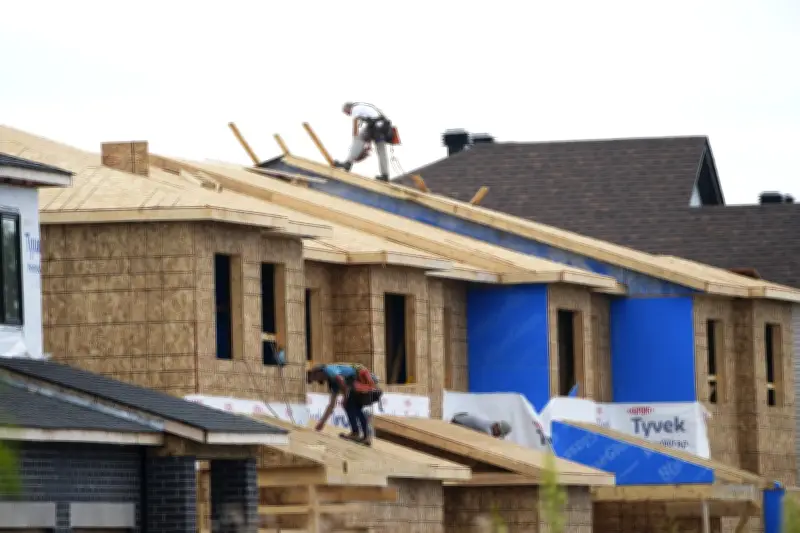
Construction of the first 200 units is expected to begin in 2027, with a mix of one- to three-bedroom apartments. Rents will be capped at 30% of household income for eligible tenants. The strategy has been praised by the Canadian Mortgage and Housing Corporation as a model for mid-sized cities.