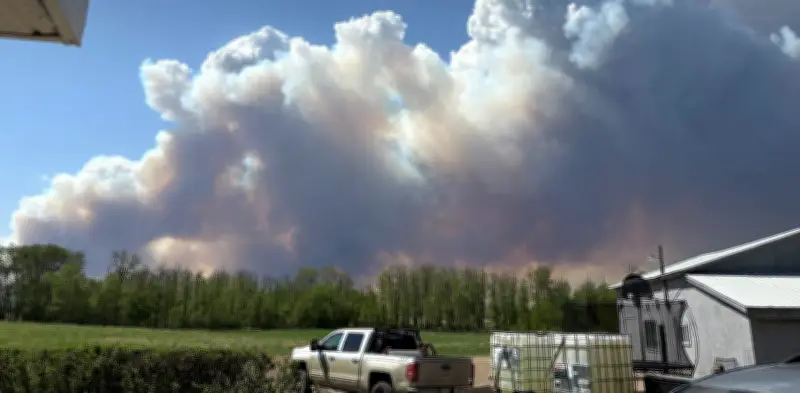
Saskatchewan's logging industry is facing heightened wildfire risks as dry conditions persist across the province. The threat has prompted concerns among industry stakeholders and forest managers about potential disruptions to operations and long-term forest health.
Current Conditions and Risks
Extended periods of low precipitation and warm temperatures have created tinder-dry conditions in many forested areas. The Saskatchewan government has noted an above-average fire hazard rating for several regions, particularly in the northern boreal forest where much of the logging activity takes place. Officials warn that without significant rainfall, the risk of large-scale wildfires will continue to escalate.
Impact on Logging Operations
Logging companies are already feeling the effects. Some have had to suspend operations temporarily due to nearby fire activity, while others are investing in additional fire prevention measures. The uncertainty surrounding fire seasons is complicating long-term planning for harvest schedules and reforestation efforts.

Industry representatives emphasize that wildfires not only threaten current timber supplies but also damage future growth potential. Severe fires can destroy young plantations and alter soil composition, making regeneration more difficult.
Forest Management Challenges
Forest managers are grappling with how to balance logging activities with fire risk mitigation. Strategies include creating firebreaks, thinning dense stands, and adjusting harvest rotations. However, the scale of the challenge is immense, given the vast areas involved and limited resources.
Climate change is expected to exacerbate these issues, with models predicting more frequent and intense wildfires in the region. This has led to calls for increased investment in fire science, early detection systems, and adaptive forest management practices.
Community and Economic Concerns
The logging industry is a significant economic driver for many rural Saskatchewan communities. Prolonged disruptions could lead to job losses and economic hardship. Local leaders are urging governments to provide support for both firefighting efforts and industry stabilization.
Environmental groups, meanwhile, are advocating for reduced logging in high-risk areas and greater emphasis on protecting old-growth forests, which are more resilient to fire. They argue that sustainable forest management must prioritize ecological health over short-term economic gains.
Looking Ahead
As wildfire season progresses, all eyes are on weather patterns and fire behavior. The province has deployed additional firefighting resources and is encouraging public vigilance. For the logging industry, the coming months will be critical in determining the extent of damage and the measures needed to adapt to a changing climate.