Warm Weather Triggers Early Maple Syrup Season in Essex County
Unseasonably warm temperatures have sparked an early beginning to the maple syrup season at Ruscom Maple Farms in Essex County, Ontario. The season commenced on Friday, February 13, 2026, a development that highlights how shifting weather patterns are influencing traditional agricultural practices in the region.
Impact of Climate Conditions on Harvesting
The start of maple syrup production is highly dependent on specific temperature fluctuations, typically requiring freezing nights followed by thawing days to stimulate sap flow in sugar maple trees. This year, the warm weather in early February created ideal conditions for tapping trees earlier than usual, allowing farmers to capitalize on the extended harvesting window.
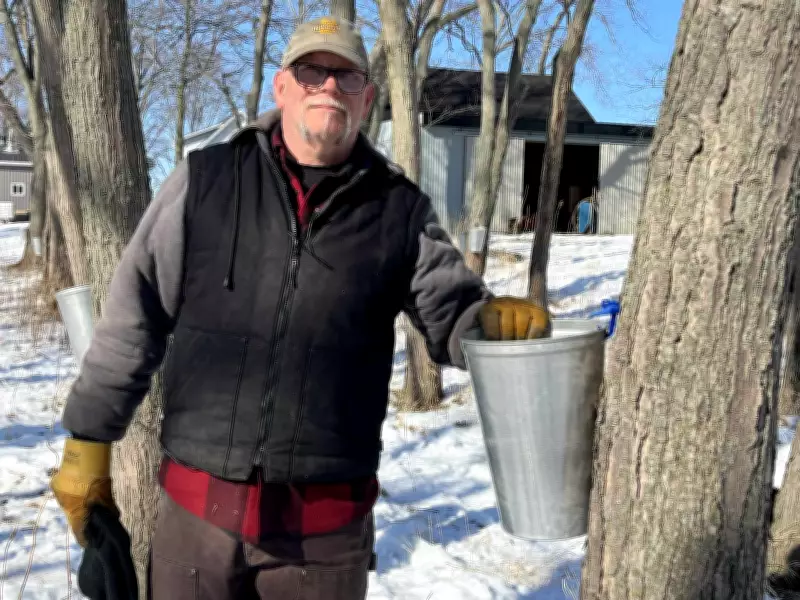
Ruscom Maple Farms, a longstanding operation in Essex County, has adapted quickly to these changes, deploying their tapping equipment and collection systems to maximize yield during this unexpected early season. Local experts note that such adjustments are becoming increasingly necessary as climate variability affects crop cycles across Canada.

Economic and Cultural Significance
Maple syrup production is a vital economic activity in many rural communities, contributing significantly to local economies through direct sales, tourism, and related industries. The early start at Ruscom Maple Farms could potentially lead to a longer production period, which might increase overall output and revenue for the farm and surrounding businesses.
Moreover, maple syrup holds deep cultural importance in Canada, symbolizing heritage and seasonal traditions. Changes in its harvesting timeline reflect broader environmental shifts that communities must navigate to preserve these customs.
Broader Implications for Agriculture
This early season serves as a case study in how farmers are responding to climate-related challenges. By monitoring weather patterns closely and adjusting operations accordingly, agricultural producers like those at Ruscom Maple Farms demonstrate resilience and innovation in the face of changing conditions.
Looking ahead, continued observation of temperature trends and sap flow data will be crucial for predicting future seasons and ensuring sustainable practices in the maple syrup industry.