Lewis Silverberg, 75, has walked by every storefront in Vancouver over decades, cataloguing each supermarket, hair salon, credit union, and café. His intense study reveals where independent shops are dying, where chains dominate, and where to find great gelato.
Retail decline and vacancy rates
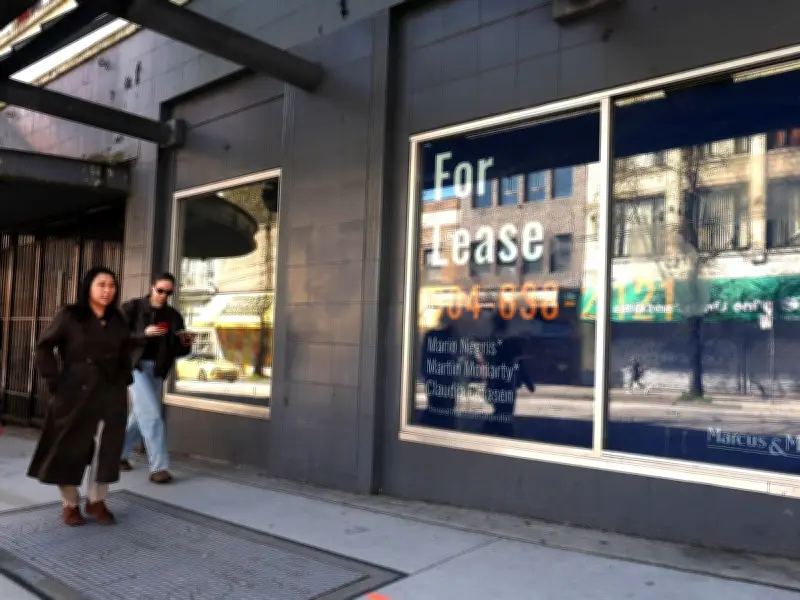
In the Homer and Hastings streets area, almost two out of 10 storefronts are empty, a classic marker of retail trouble. On Granville Street, retail vacancies run at a disturbing three in 10, according to the Downtown Vancouver Business Improvement Association. Foot traffic in the city's core dropped 18 per cent in 2024.
Silverberg, a professional urban planner, has advanced a simple theory: “What gives neighbourhoods their character are their ‘high streets,’ their shopping areas.” But in Vancouver, where many citizens worry city council is overriding established neighbourhoods with one-size-fits-all retail upzoning, the relationship between unique communities and high streets is in anxious flux.

Data on retail changes
In a 2021 report on small business in Vancouver, Silverberg and a team tracked shops in Marpole, Collingwood, Hastings North, West Broadway, South Granville, and Commercial Drive. They discovered a seven per cent overall decline in a decade in active retail outlets. They recorded a 13 per cent decrease in independent storefronts, a 24 per cent jump in chain outlets, and a 30 per cent drop in so-called “comparison-goods” retailers such as furniture and apparel stores that battle with e-commerce. One of the few upsides was a 16 per cent jump in food and beverage establishments.
City policies and new developments
In the midst of agitation, the City of Vancouver paved the way for last month's opening of the high-end Oakridge Park shopping centre. Councillors are also holding a public hearing July 14 to pursue their aim to create 17 new high-density “villages,” which would flood new retail space into neighbourhoods that already have troubled shops. Critics say Vancouver's plan for 17 new villages will increase uniformity and sterility.
These days, for residents in many Vancouver neighbourhoods, it's becoming harder to purchase things and services at land-based shops. There may be more fitness studios and big real-estate offices, but there are fewer independent electronic shops and clothing stores. Silverberg notes that over the years he has come to know which retail blocks are a success and which are struggling, offering guidelines for success in the complex retail world.