

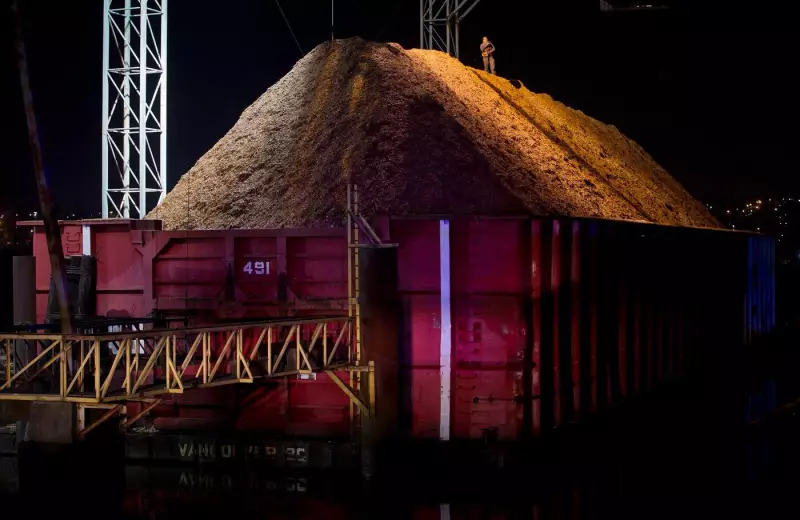
First Nations-Owned Wood Chip Facility on Vancouver Island Announces March Closure
A significant development in British Columbia's forestry sector is unfolding as a First Nations-owned wood chip processing plant on Vancouver Island has confirmed it will cease operations in March 2026. This decision marks a notable shift for the regional economy and Indigenous-led industrial ventures.
Details of the Impending Shutdown
The facility, which has been a key player in processing residual wood materials from local sawmills, is set to close its doors permanently. While specific reasons for the closure were not detailed in the initial announcement, the move is expected to have ripple effects throughout the supply chain. The plant's operations have traditionally involved converting wood waste into chips for various industrial applications, including pulp production and biomass energy.
This closure represents more than just an industrial shutdown—it signifies a setback for Indigenous economic sovereignty in the region. First Nations ownership of such facilities has been increasingly viewed as a model for sustainable resource development that benefits local communities directly.

Broader Context and Implications
The Vancouver Island forestry sector has faced numerous challenges in recent years, including:
- Market fluctuations for wood products
- Environmental regulations affecting operations
- Competition from other regions and materials
- Changing global demand patterns
This particular closure comes at a time when many communities are seeking to balance economic development with environmental stewardship. The loss of the wood chip plant may create both employment challenges and opportunities for alternative uses of wood fiber in the region.
Local stakeholders, including forestry workers, suppliers, and community leaders, are likely to feel the economic impact most directly. The closure may also affect transportation networks that have relied on moving wood chips from the facility to various end users.
Looking Forward
As March approaches, attention will turn to what might replace the industrial activity at this site. Potential future uses could include:
- Alternative forest product manufacturing
- Value-added wood processing facilities
- Renewable energy projects utilizing biomass
- Community development initiatives
The closure announcement serves as a reminder of the ongoing transformations within Canada's natural resource sectors and the particular challenges faced by Indigenous-owned enterprises operating within these industries.






